
Last updated October 31, 2026
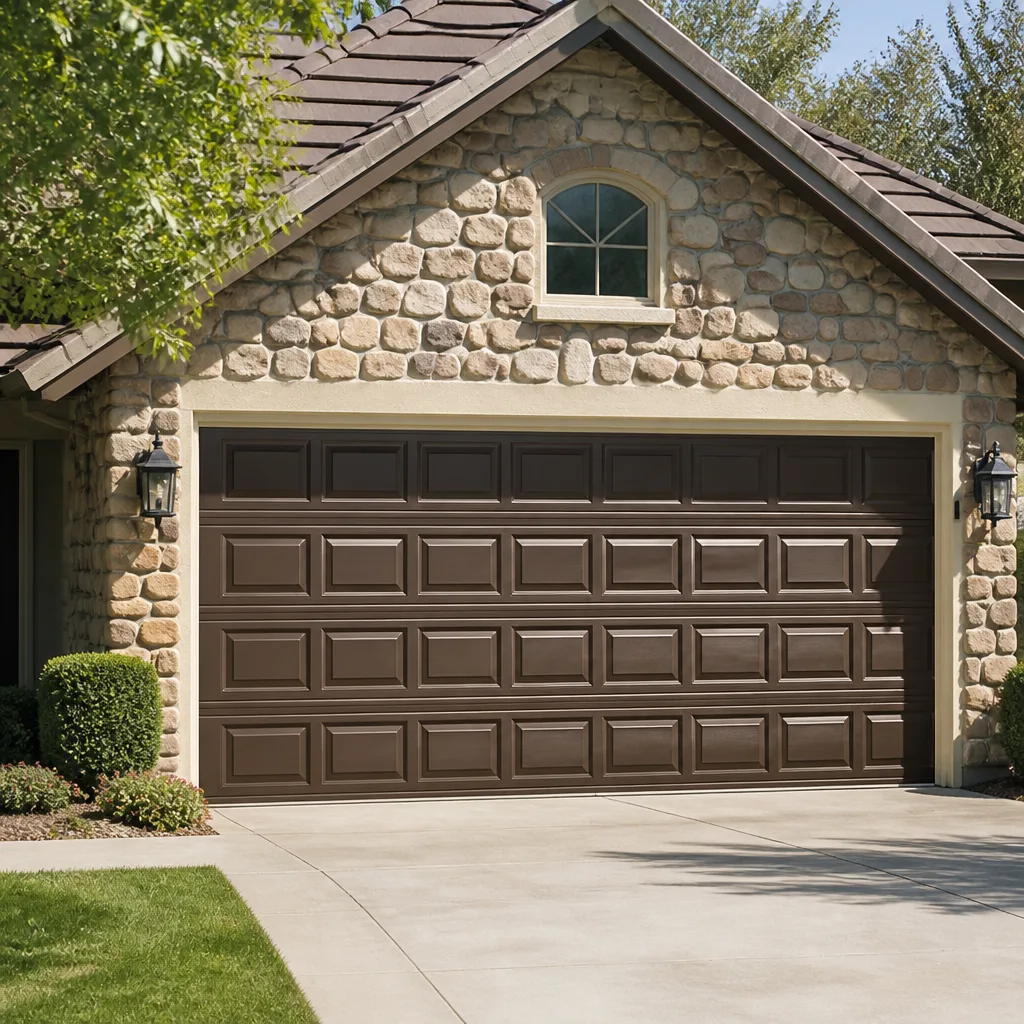 Raised-panel steel
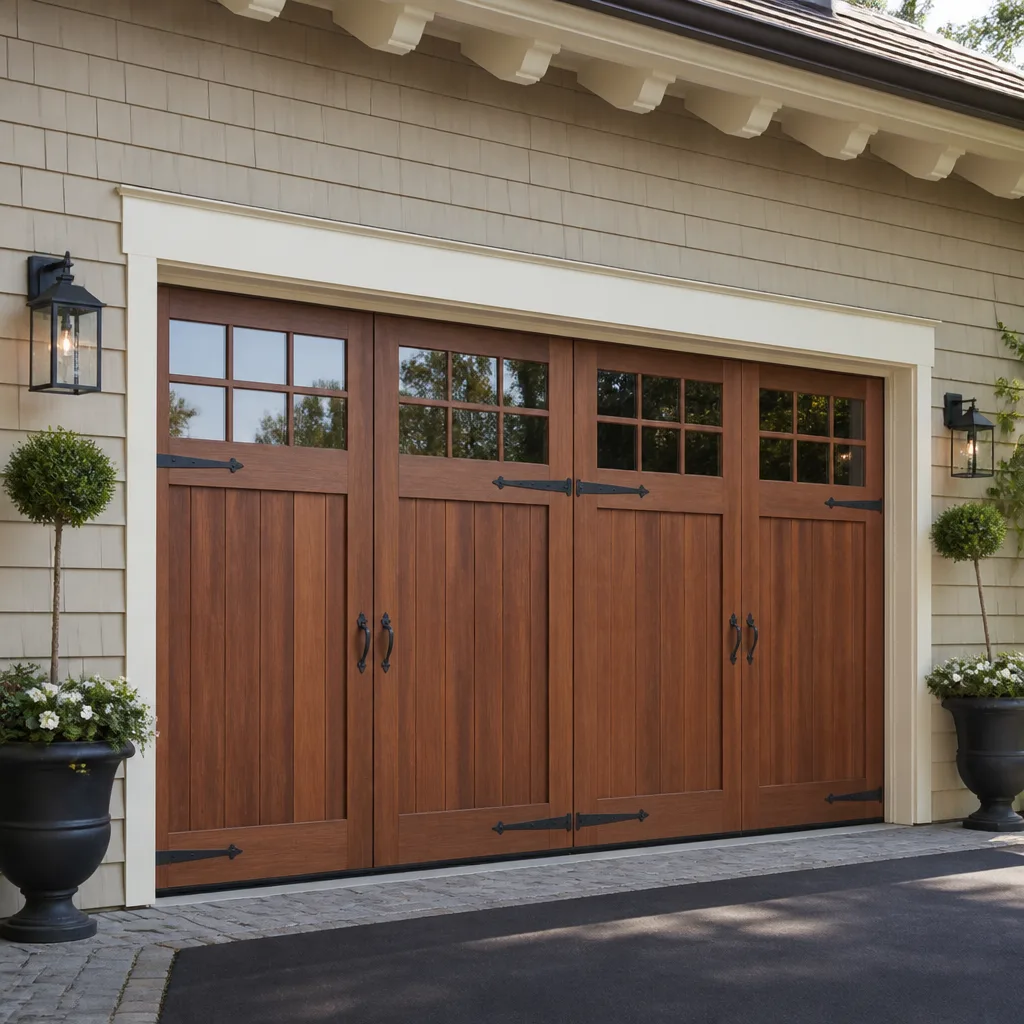 Carriage house
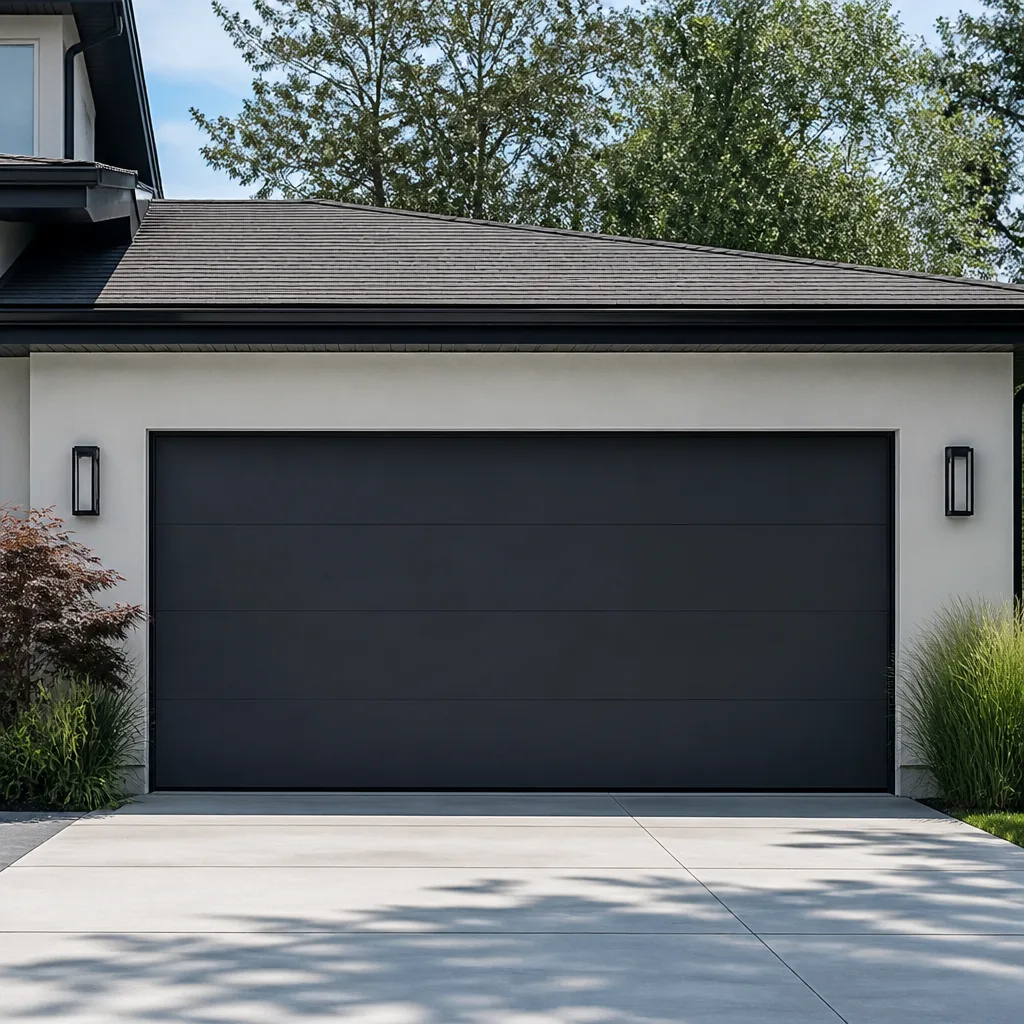 Modern flush
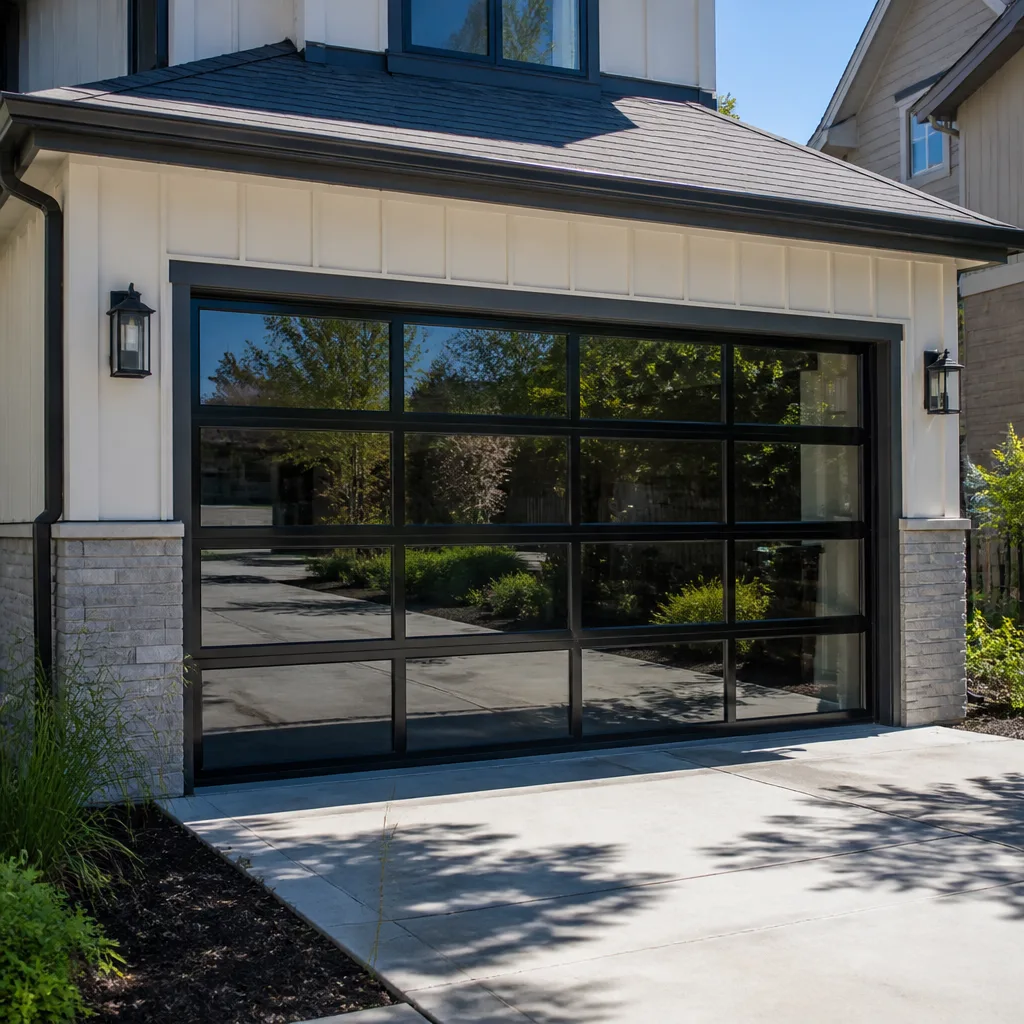 Full-view glass
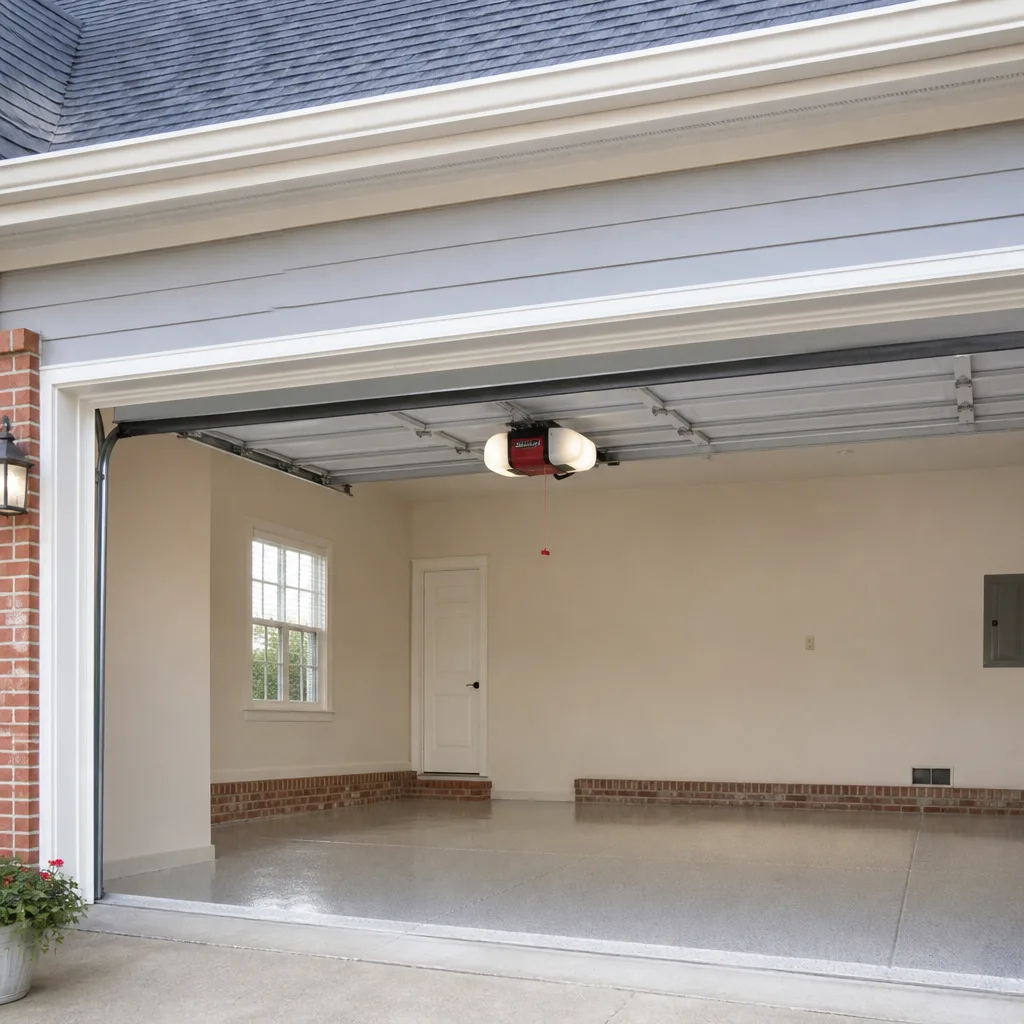 LiftMaster openers
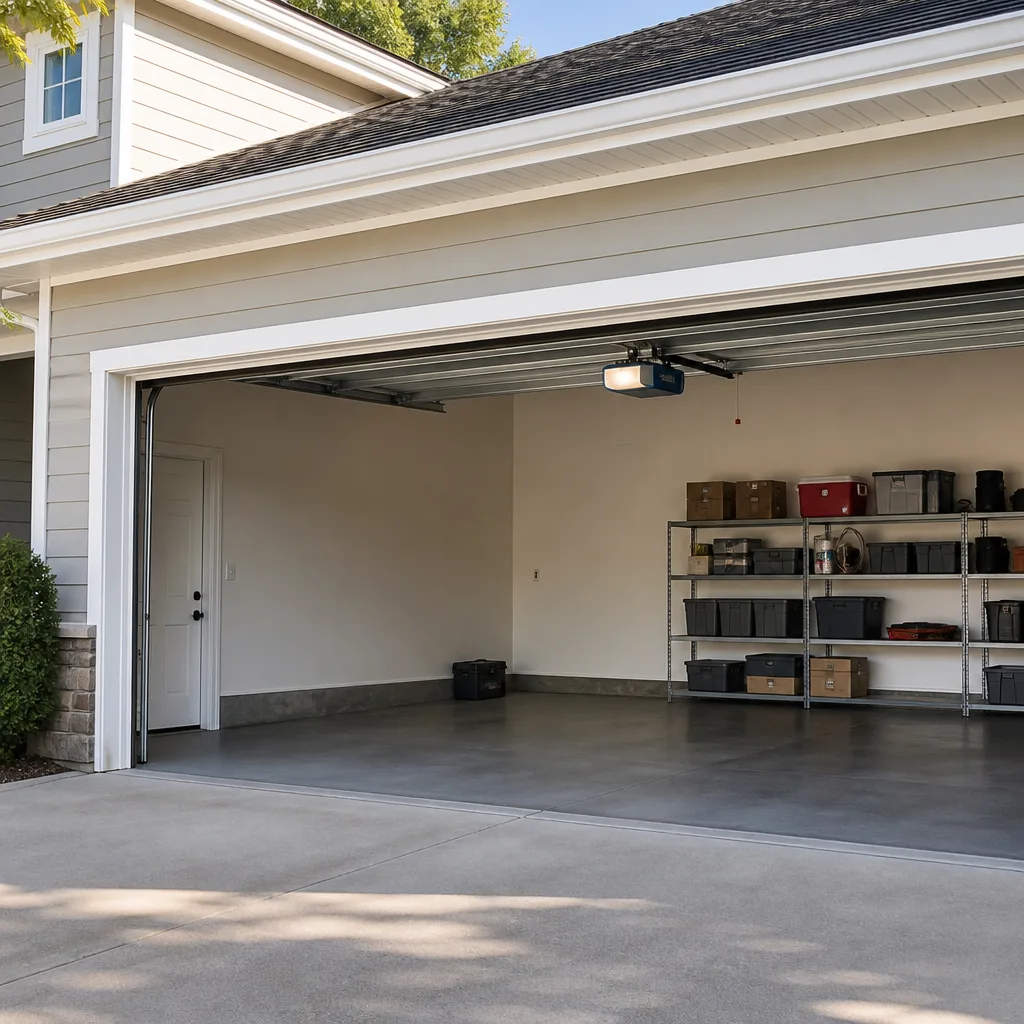 Chamberlain openers
Full 25-point door and opener safety check with every visit - springs, cables, rollers, tracks, and your LiftMaster or Chamberlain opener included
You get a price before we start. It does not change when the truck arrives.
Get your free estimateGarage Door Emergency Preparedness Guide for San Marcos Homes
During the 2021 Emerald Fire evacuation in San Diego County, homeowners discovered a problem nobody plans for: the power was out, the garage door was closed, and the car was stuck inside. Not because the door was broken. Because nobody in the house knew how to operate the manual release. In San Marcos, where wildfire evacuation notices can arrive with minutes of warning and Santa Ana winds regularly test every piece of hardware on your property, your garage door is either an exit route or a barrier. This guide gives you the 20-minute checklist that decides which one it is, and you can find more guides & resources in our blog.
Styles & brands we work with
Quick Answer
Garage door emergency preparedness for San Marcos homes comes down to four things: knowing how to use the manual release cord during a power outage, verifying your springs will allow a single adult to lift the door by hand, understanding what battery backup options exist for your opener, and inspecting track and hardware after Santa Ana wind events. None of these take more than 20 minutes to check, and all of them are skills you need before an evacuation notice hits your phone, not after. For a deeper walkthrough, see our Garage Door Repair Troubleshooting: Common Problems and How to Fix Them.
Table of Contents
- How to Use the Emergency Manual Release Cord
- Battery Backup Openers: What Actually Works in an Outage
- Post-Santa Ana Wind Inspection Protocol
- The “Car Trapped Inside” Scenario
- Spring Balance: The Test That Determines Manual Liftability
- The 20-Minute Preparedness Checklist
- Common Mistakes to Avoid
- When to Call a Professional
- Frequently Asked Questions
How to Use the Emergency Manual Release Cord
The red cord hanging from your opener rail is not a decoration. It disengages the door from the opener carriage, converting your powered door into a manual door. But the sequence matters more than most people realize, and doing it wrong can drop a 150-to-300-pound door faster than you can react.
First, understand what you’re looking at. The cord hangs from a trolley mechanism on the rail above your car. On Chamberlain and Genie openers, the release handle is red and typically hangs about six to seven feet off the ground, reachable by most adults. When you pull it, a spring-loaded latch releases, and the door is no longer connected to the motor. The door is now free to move by hand, which is exactly what you want during an outage, but only if the door is in the closed or fully open position when you pull.
Here is the correct sequence:
- Confirm the door is fully closed or fully open. Never pull the release while the door is mid-cycle. If the opener is dead and the door is stopped halfway, brace the bottom of the door with a shoulder or have a second person hold it before pulling the cord.
- Pull the cord straight down and toward the door, not sideways. A sharp downward-and-back pull engages the release mechanism cleanly. You will hear an audible click when the trolley disengages.
- Test the door weight immediately. With one hand on the handle or bottom rail, lift six inches. If it feels balanced and holds in place, you can lift it the rest of the way. If it drops or feels heavy, stop and do not force it.
- Lift the door smoothly until it’s fully open. A properly balanced door should stay in the open position on its own. If it drifts downward, the springs are failing and the door will need support while open.
- To reconnect after power returns: With the door in the fully closed position, pull the release cord again toward the door until you hear it re-engage, then press the opener button once. The trolley will travel and lock back onto the carriage. On most LiftMaster and Genie units, this connection is automatic on the next opener cycle.
We’ve been called to San Marcos homes where the homeowner pulled the cord while the door was half-open, and the door slammed down hard enough to bend the bottom panel. The manual release is a simple mechanism, but it punishes impatience. Practice it once with the power still on so you know the feel of it. The team at San Marcos Garage Door Service home has walked dozens of customers through this exact sequence over the phone.
Battery Backup Openers: What Actually Works in an Outage
The simplest answer to a garage door’s power problem is a battery backup system. You press the wall button, the door opens, and your car gets out. No manual release, no lifting, no shoulder under a 200-pound door. But not all openers have this capability, and the ones that do vary in how long they last during a prolonged outage.
LiftMaster currently builds battery backup into several of its premium models. The LiftMaster 87504-267 and 87802 both come with integrated backup batteries from the factory. Chamberlain offers similar integration on its higher-end belt-drive units. Genie takes a different approach on many of its models: the backup battery is an add-on module that mounts inside the opener housing. When we do Garage Door Opener Repair in San Clemente and across north San Diego County, the most common question we get is whether an existing opener can be retrofitted. The answer depends on the model year and whether the opener has the auxiliary power input, which most units manufactured after 2017 do.
Realistic runtime during a San Marcos outage scenario is shorter than the marketing numbers suggest. A factory-sealed backup battery typically provides 20 to 40 full open-and-close cycles over a 24-hour period. That sounds generous, but if you have three cars and each family member opens and closes the door twice during an evacuation prep, you can burn through half the capacity in an hour. The battery also drains when the opener is idle, so if power is out for 36 hours, the backup may be dead by the time you actually need it.
For San Marcos homeowners in wildfire-prone zones like the hills above Lake San Marcos or the Santa Fe Hills area, we recommend treating battery backup as a convenience, not a plan. Your actual evacuation plan should still include knowing how to use the manual release. The battery is for when you have 30 seconds and don’t want to get out of the car. The manual release is for when everything else has failed.
Post-Santa Ana Wind Inspection Protocol
Santa Ana winds hit San Marcos differently depending on where you live. Homes in the more exposed areas, particularly on ridgelines and east-facing slopes, take sustained gusts that flex garage door panels and work hardware loose over time. A door that survives one wind event may have shifted enough during the storm to fail the next time the opener tries to lift it. We see this pattern every fall in neighborhoods from Discovery Hills to San Elijo Hills.
After any wind event strong enough to rattle your windows, run through this protocol before you trust the door again:
- Visual track check. Stand inside the garage and look at both vertical tracks. They should be perfectly plumb. If either track is slightly bowed, the door will bind on the way up. This is the most common wind-related issue we repair in San Marcos.
- Panel inspection. Look across each panel, especially the top panel, for stress cracks or separation at the seams. High winds push against a closed door with thousands of pounds of force, and the top panel takes the brunt. Hairline cracks in a Clopay or Amarr steel panel will spread with repeated winds.
- Hardware tightening. Grab a socket set and check the bolts at the track brackets, the hinges between panels, and the opener rail mounts. Vibration from sustained winds loosens nuts and bolts in ways that typical daily operation never does.
- Cycle test. Open and close the door once, watching for hesitation, grinding, or uneven movement. Listen for any sound that wasn’t there before the storm. A rattling noise from the bottom panel usually means a roller is loose in the track.
- Spring inspection. Look at the torsion spring above the closed door. There are two, one on each side of the spring tube in most setups. Both should have no visible gaps between coils. A one-inch gap means the spring has snapped or cracked under load.
Wind damage is cumulative. A door with slightly misaligned tracks will still open for weeks, but it is forcing the opener to work harder and accelerate wear on every other component. If a post-wind check reveals anything on this list, address it before the next wind event. For readers considering a door replacement after repeated wind issues, our Garage Door Installation in San Clemente team carries a range of wind-rated panels with reinforced top sections designed for exactly this exposure.
The “Car Trapped Inside” Scenario
It starts with a sound: a grinding noise, then a thud, then silence. The door tried to close, something failed, and now the door is stuck halfway down. Your car is on the other side. You’re late for work, or an evacuation notice is live, and the garage feels smaller than it did five minutes ago.
This is the scenario where panic causes expensive mistakes. Here is the sequence, in order:
- Stop pressing the opener button. Every additional press sends another cycle of force into a system that has already failed once. If a cable snapped or a spring broke, the opener may continue pulling unevenly and warp the panel.
- Assess whether the door is under tension. If you can see a broken cable dangling or a spring with a visible gap, do not attempt to move the door. A door with a broken spring weighs its full weight: anywhere from 150 to 350 pounds depending on material. That is a steel panel falling on a person, a car, or a pet.
- Check whether the car can clear the opening. If the door is stopped at least five feet off the ground and the car is a standard sedan or small SUV, you may be able to drive out slowly, checking clearance with a spotter. Do not attempt this with a larger vehicle.
- If clearance is too low, try the manual release only if springs are intact. If the door is visibly damaged but springs are whole, pull the release cord and lift the door by hand, having a second person brace it at the top.
- If springs are broken or the door binds on the tracks, call a technician. A broken torsion spring is a job for trained professionals with the right winding tools. It is not a DIY repair, and attempting one causes serious injury every year.
The most common scenario we arrive to in San Marcos is a door that stopped mid-close because a roller jumped the track. The homeowner forced it, and by the time we get there, a $35 roller replacement has become a bent panel and a damaged opener carriage. When in doubt, stop and call.
Spring Balance: The Test That Determines Manual Liftability
Here is the question that matters most in a power outage: can one adult lift your garage door by hand? If the answer is no, and you don’t have battery backup, your car is trapped until SDG&E restores power or a technician arrives. The test takes 30 seconds, and most San Marcos homeowners have never done it.
The test is called spring balance verification. The torsion springs above your door are designed to offset the door’s weight so that it feels like 10 to 15 pounds in your hand, not 200. When springs age or lose tension, the door gets heavier. If the door has not been serviced in five years, the balance is almost certainly off.
Here is how to test it:
- Disengage the opener. Pull the red manual release cord while the door is closed.
- Lift the door to waist height with one hand. A properly balanced door stays where you put it, neither rising nor dropping. If it drifts up, the tension is too high, which is uncommon and needs adjustment. If it drops, the springs have lost tension or are failing.
- Try lifting it to full open and holding it. A failing spring may feel fine at waist height but start to go heavy as you approach the top. Note where the door begins to feel heavy.
- Lower it back down. You should be able to control the descent with one hand throughout. If the door wants to fall, the springs are not doing their job.
- Reconnect the opener. Pull the release cord again toward the door, then run one opener cycle to lock everything back in.
If your door fails this test, treat it as an evacuation-planning issue, not just a maintenance one. In a no-power emergency, you may not be able to lift the door. That changes your decision-making: you’ll want to park a car in the driveway during high-wind or wildfire season, or you’ll want to schedule a spring replacement sooner rather than later. We advise San Marcos customers with aging doors in fire-prone neighborhoods to test this twice a year, at the start of spring and again before Santa Ana season. For a complete schedule, use our Garage Door Repair Maintenance Checklist for San Marcos Homeowners.
The 20-Minute Preparedness Checklist
Emergency preparedness for a garage door is not a weekend project. It is four checks, done once or twice a year, that take less time than cleaning out your gutters. Print this list, stick it on the garage wall, and actually do it.
- Locate the manual release cord. Make sure it’s visible, reachable, and not tangled or tied up. Every adult in the household should know where it is and have pulled it once.
- Run the spring balance test. The 30-second sequence described above. If the door feels heavy, schedule a spring inspection.
- Check battery backup status. If you have an opener with battery backup, the system typically emits a beep or shows an indicator light when the battery needs replacement. If you’re unsure, run the opener in backup mode by unplugging it once and testing the cycle.
- Inspect tracks and rollers. Look for gaps, bends, or visible wear on roller stems. Any roller that wobbles when the door moves should be replaced.
- Test the auto-reverse safety sensors. Wave an object through the sensor beam while the door closes. If the door doesn’t immediately reverse, that’s a safety and emergency-readiness failure.
- Post the emergency number. Write down your garage door technician’s number on the wall or save it in your phone. During an actual emergency, you don’t want to be searching.
Common Mistakes to Avoid
- Pulling the manual release with the door mid-cycle. This is the single most common cause of emergency-related door damage in San Marcos, and it turns a power outage into a repair bill. Always confirm the door is fully closed or fully open first.
- Assuming the battery backup lasts indefinitely. Built-in backup batteries on LiftMaster and Chamberlain openers hold a charge for 20 to 40 cycles, not 20 hours of continuous readiness. If power has been out for a day and a half, test it before you need it.
- Forcing a door that has slipped off its track. We see bent panels and snapped cables every fall from doors that were manually forced after a wind event. If the door resists movement, stop and call someone who knows what resistance means.
- Ignoring a heavy door because “the opener still handles it.” An opener is a convenience motor, not a spring replacement. If the door is heavy by hand, the springs are failing, and the opener is doing work it wasn’t designed to do. This kills openers years early.
- Only checking the door after an emergency. The homeowners who do best in San Marcos wind and fire events are the ones who ran the balance test and track inspection months before. Reactive checking means discovering the problem exactly when you can least afford to.
- Letting the manual release cord get tangled or tied up. It’s a common sight in garages converted to workshops or storage: the red cord has been zip-tied to the rail or tangled in a shelf. In an emergency, you have 10 seconds to find and pull it. Keep it clear.
- Treating the garage door as a separate system from evacuation planning. The door is a exit route for most San Marcos households. If your evacuation plan doesn’t account for the door’s state, it’s not a complete plan.
When to Call a Professional
Some garage door issues are mechanical adjustments. Others are safety hazards. The line between the two is drawn by one rule: if the door involves tension, weight, or electricity and you’re not certain, call someone who is.
Call a technician if you find a broken spring, a frayed or snapped cable, a track that’s visibly bent or separated from the wall, a door that will not stay in the open position by hand, or an opener that sparks, hums, or smells of burning. These are not conditions to troubleshoot while an evacuation notice is active or after a door has already failed once. For legal requirements, read Garage Door Permits, Codes & Inspections in CA: What You Need to Know. The springs on a torsion system hold enough tension to cause serious injury, and cable work requires winding tools and a respect for the forces involved.
San Marcos Garage Door Service offers free estimates in San Marcos, and our technicians arrive already familiar with the LiftMaster, Chamberlain, Genie, Clopay, and Amarr equipment on your wall – because that’s what we work on every day. Call us after a wind event, after a failed spring balance test, or any time the door doesn’t sound right. The estimate is free, and finding a small problem before it becomes an emergency is always cheaper.
Frequently Asked Questions
Pull the red emergency release cord hanging from the opener rail while the door is fully closed, then lift the door manually by hand. If the springs are properly balanced, one adult can lift it. If the door feels heavy or won’t stay open, the springs are failing and you’ll need to call a technician.
Only if your LiftMaster model has a built-in battery backup or an add-on backup battery installed. Most premium LiftMaster models manufactured after 2017 include this feature, but many standard chain-drive units do not. Press the wall button during an outage to check; if there’s no response and no backup indicator light, you’ll need the manual release.
Garage door spring replacement in San Marcos typically costs $180 to $340 depending on spring size and whether it’s a single or double spring system. This is not a DIY repair; torsion springs hold enough tension to cause serious injury. Call (877) 265-5166 for an exact quote on your door, and the price is agreed before any work starts.
Only if there’s at least five feet of clearance and you have a spotter confirming the car can pass safely. It’s always worth trying first, especially during an evacuation. If the door is too low, check whether the springs are intact, then try the manual release. If the door binds, don’t force it; call a technician.
Check the tracks for alignment, the panels for cracks or separation, the hardware for loosened bolts, and the springs for visible gaps. Run one full cycle and listen for new noises. If anything looks or sounds wrong, schedule an inspection before the next wind event. Wind damage is cumulative, and a small track misalignment today becomes a major failure in the next storm.
Twice a year at minimum, in early spring and again before Santa Ana season, which for San Marcos means September or October. It takes 30 seconds to verify that the manual release works and the door stays balanced when lifted by hand. Add it to your smoke alarm battery routine so it actually gets done.
The Bottom Line
Your garage door is either an exit route or a barrier during an emergency, and the difference comes down to whether you’ve tested it before the power goes out. Pull the manual release once. Run the spring balance test twice a year. Know what your opener does and doesn’t do in an outage. Check the tracks after every wind event. None of this is complicated, and all of it is the difference between evacuating in 30 seconds and being stuck in your own garage. If any check fails or something doesn’t feel right, call San Marcos Garage Door Service at (877) 265-5166 for a free estimate. We work on LiftMaster, Chamberlain, Genie, Clopay, and Amarr systems every day, and we’ll tell you honestly whether a repair makes sense or a replacement is the better path.
Written by the team at San Marcos Garage Door Service, serving San Marcos since 2012.
See the difference
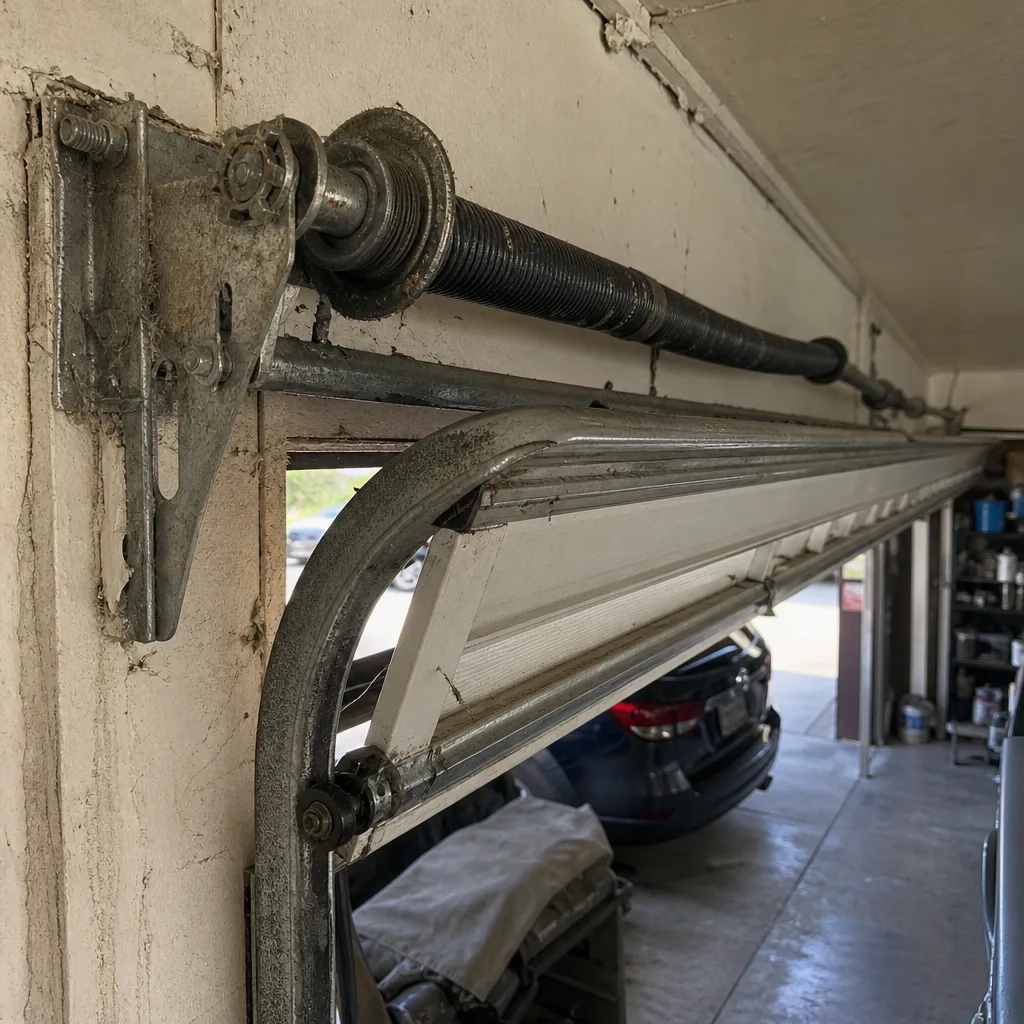
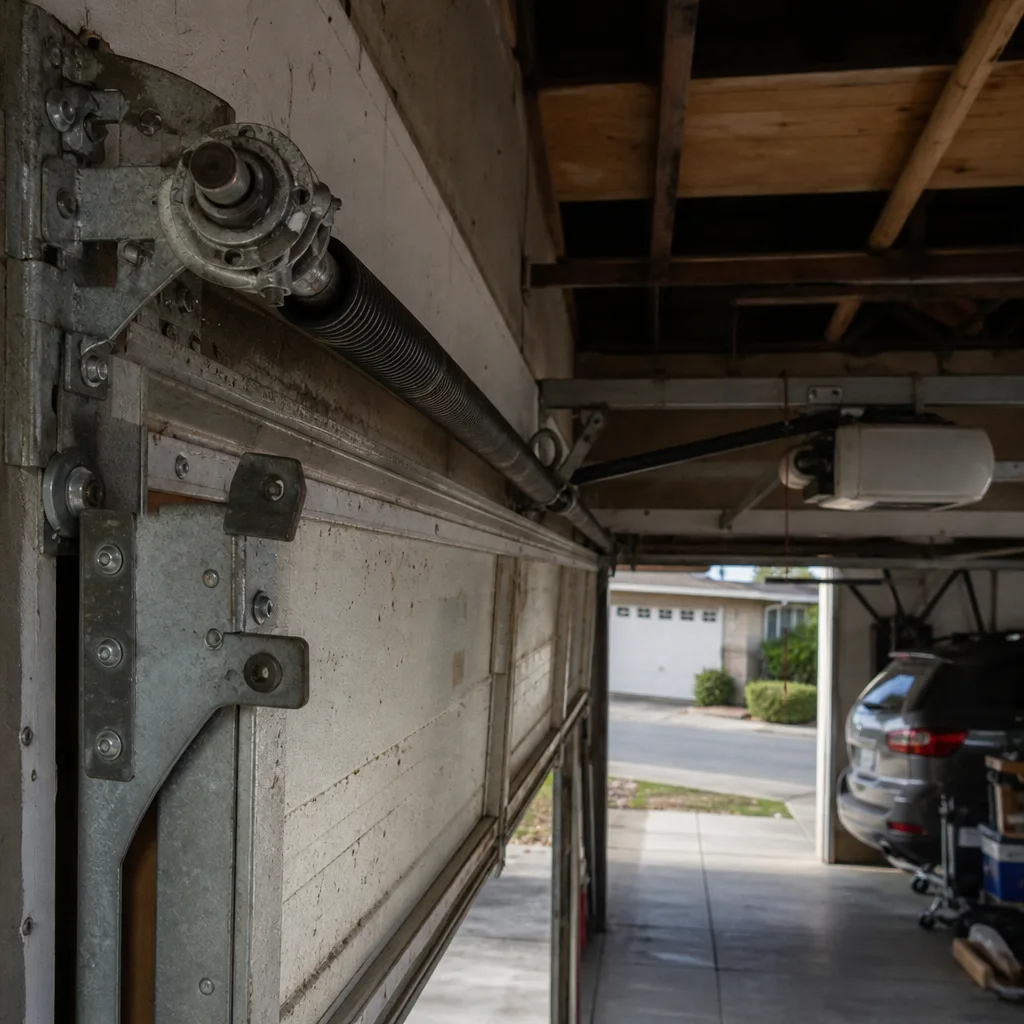 Before
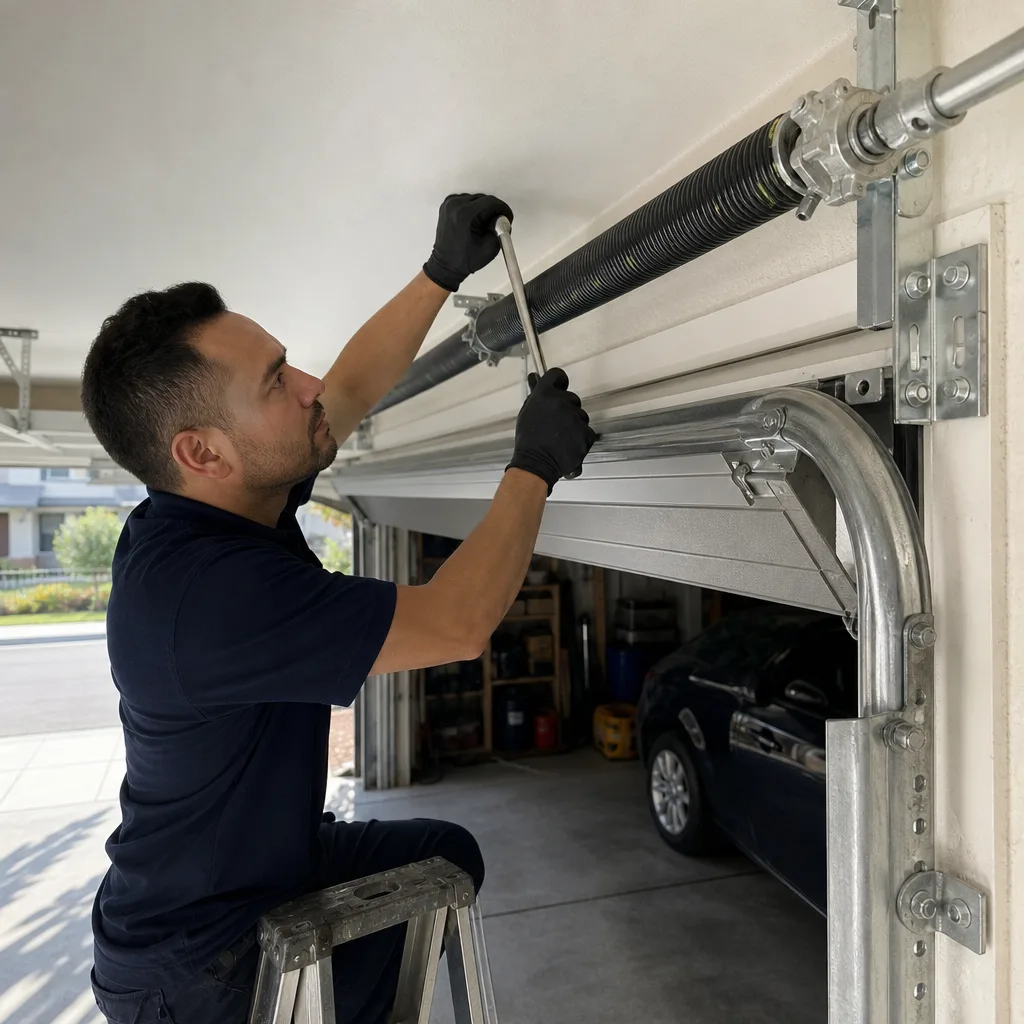
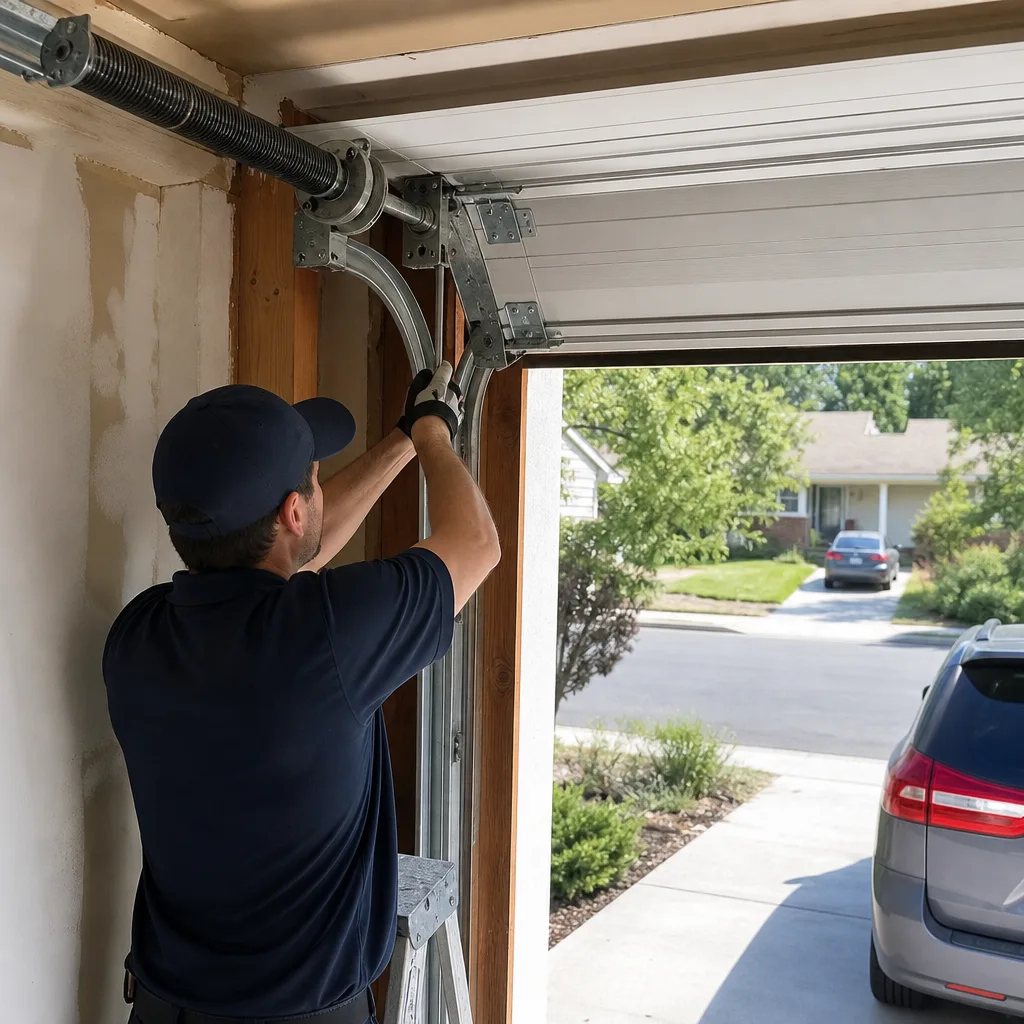 After
 Before
 After
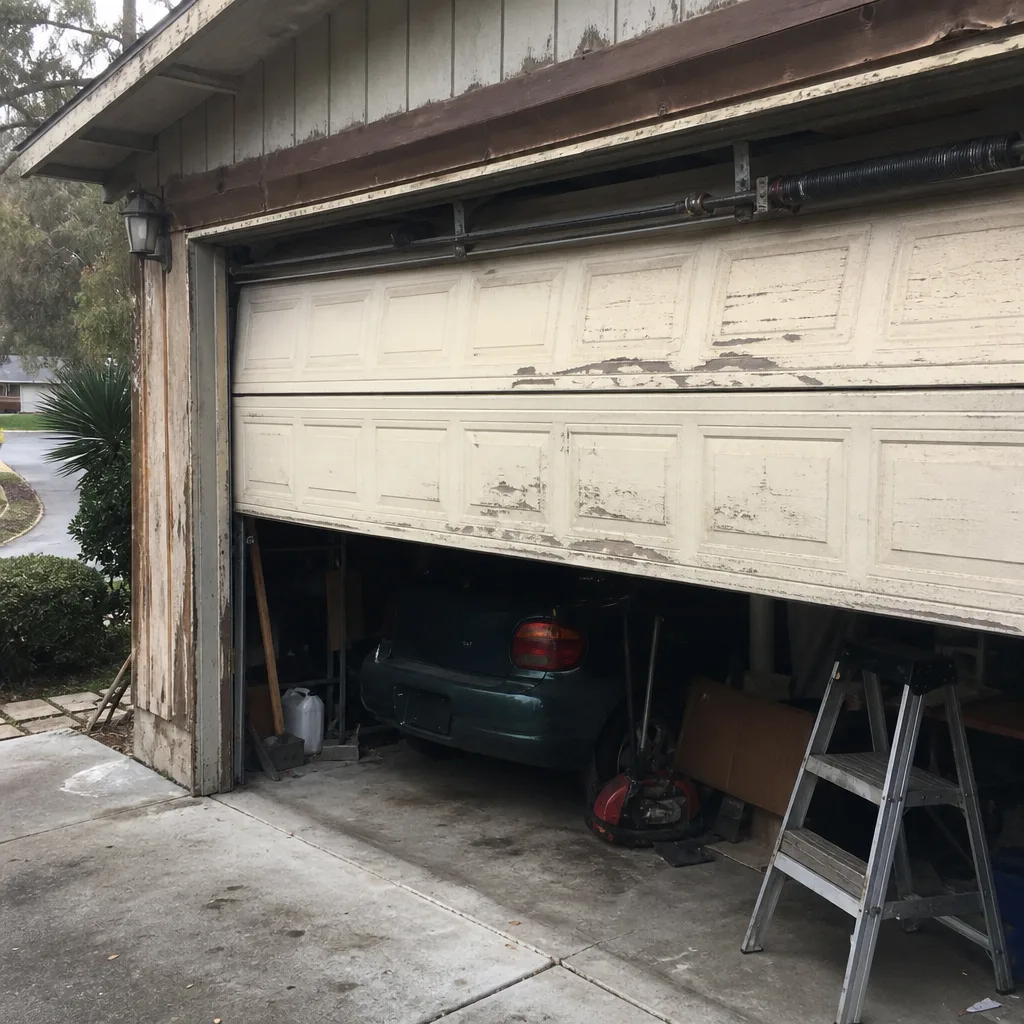 Before
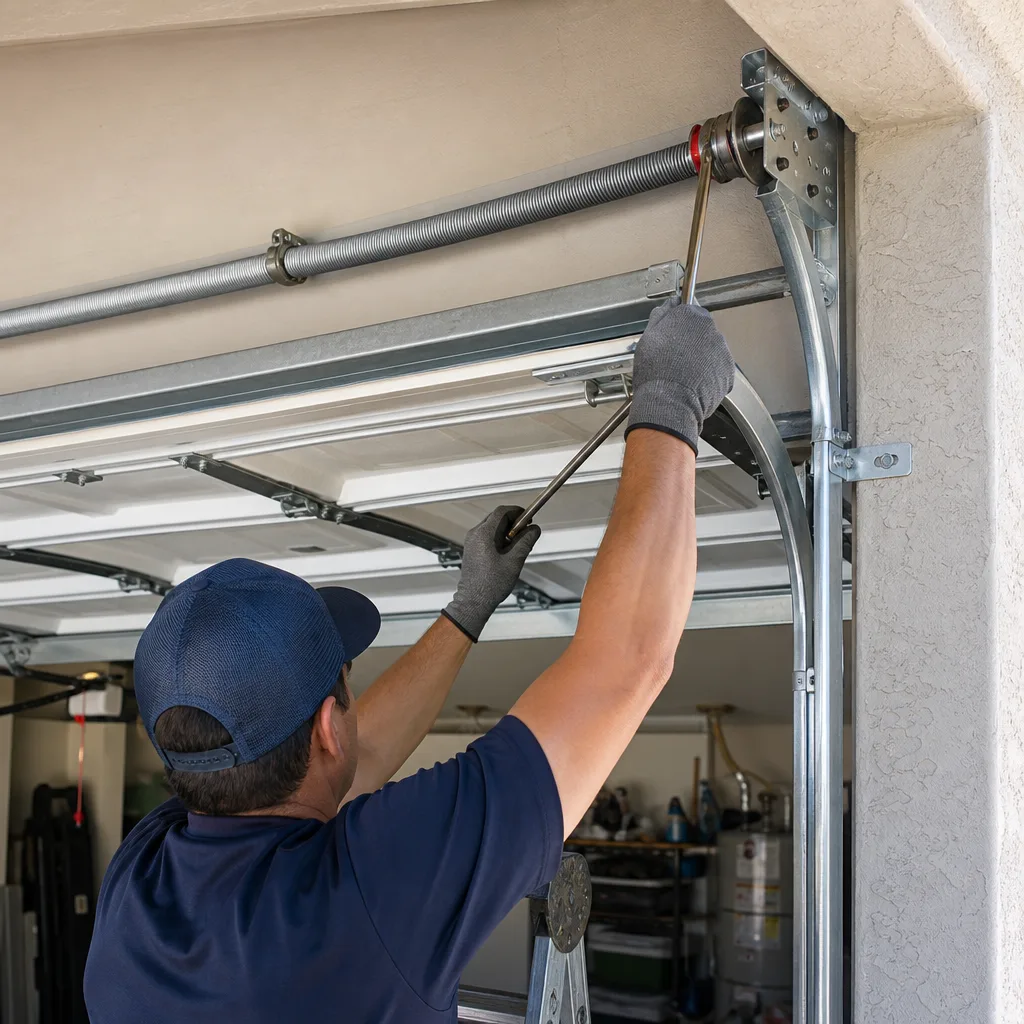 After