
Last updated October 31, 2026
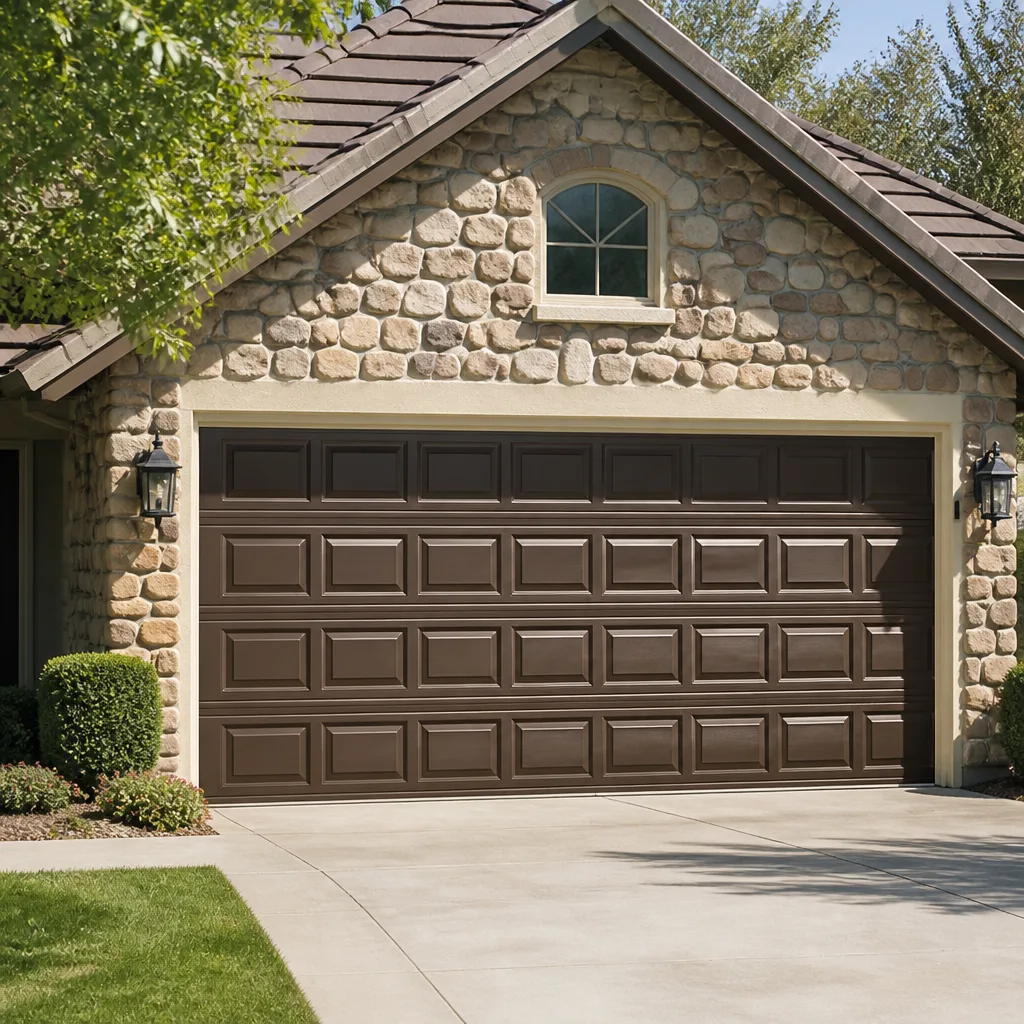 Raised-panel steel
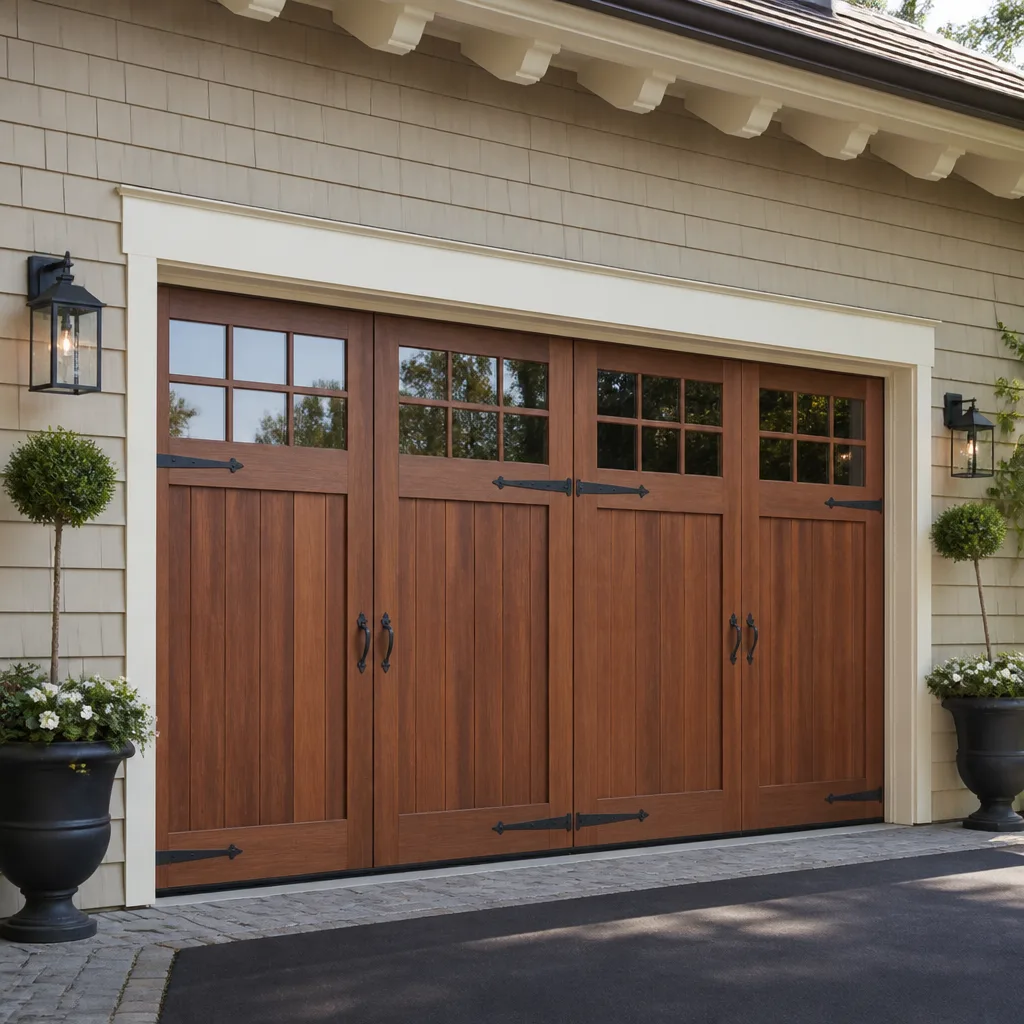 Carriage house
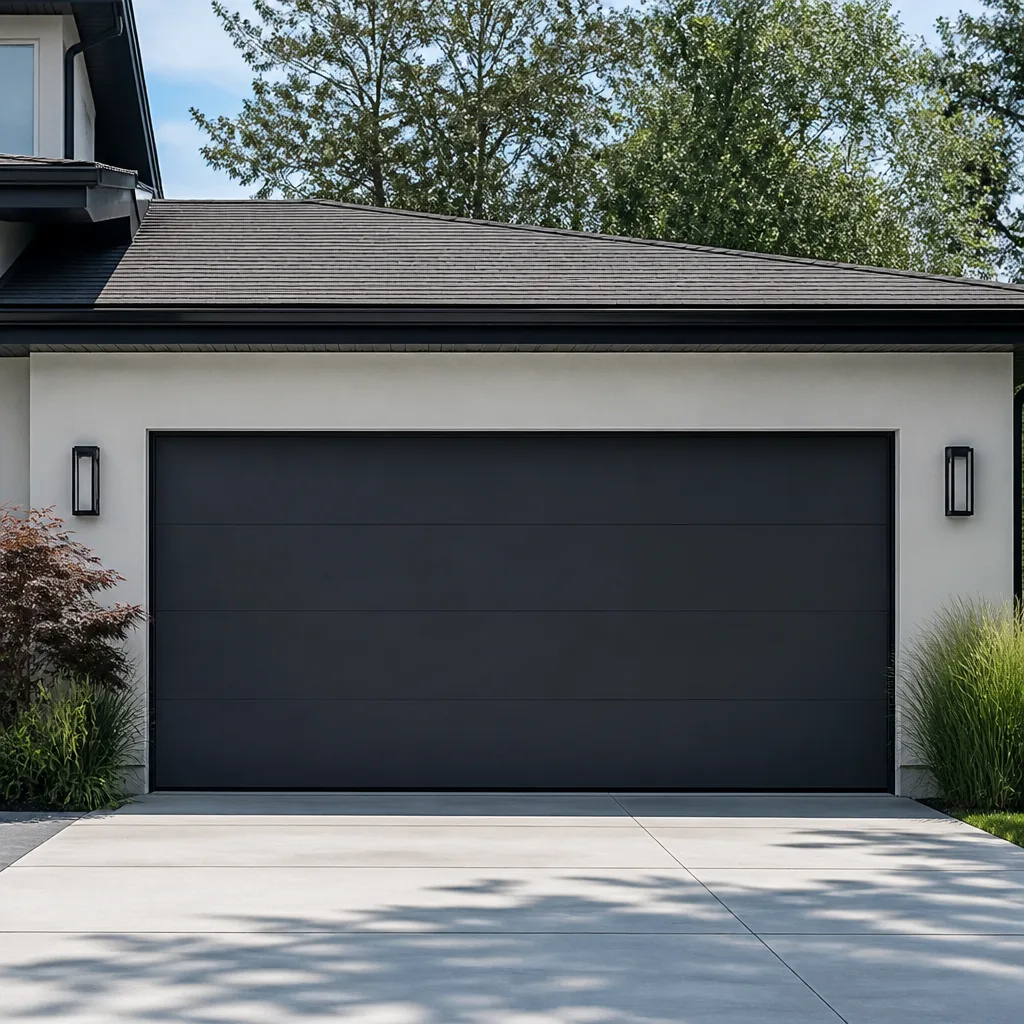 Modern flush
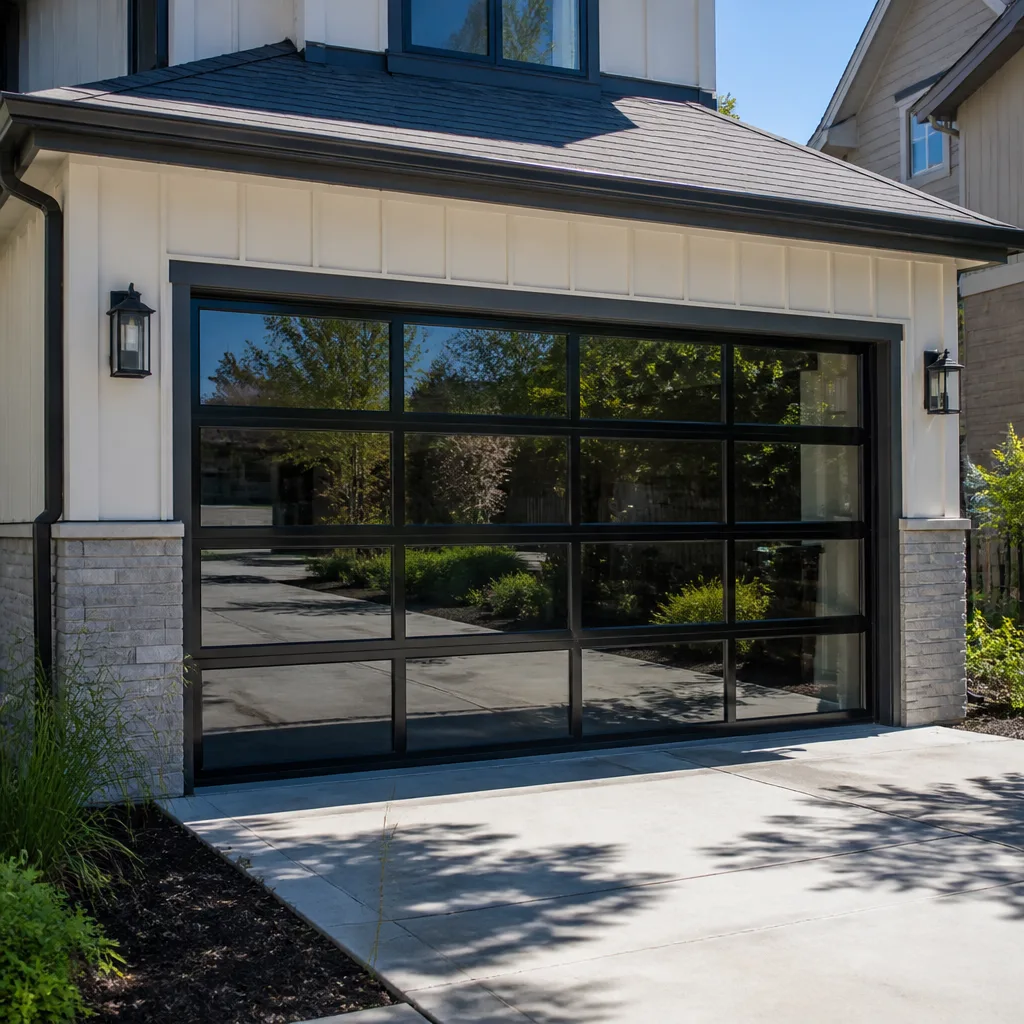 Full-view glass
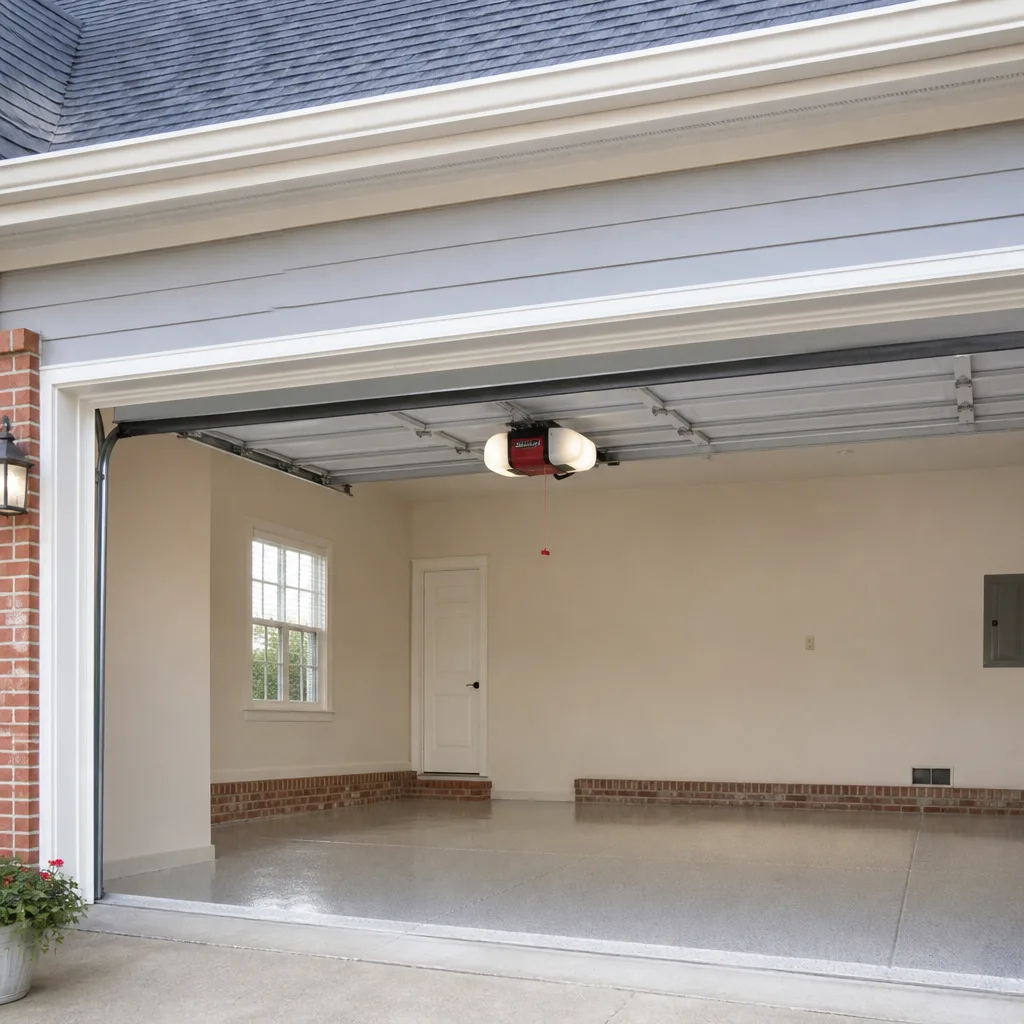 LiftMaster openers
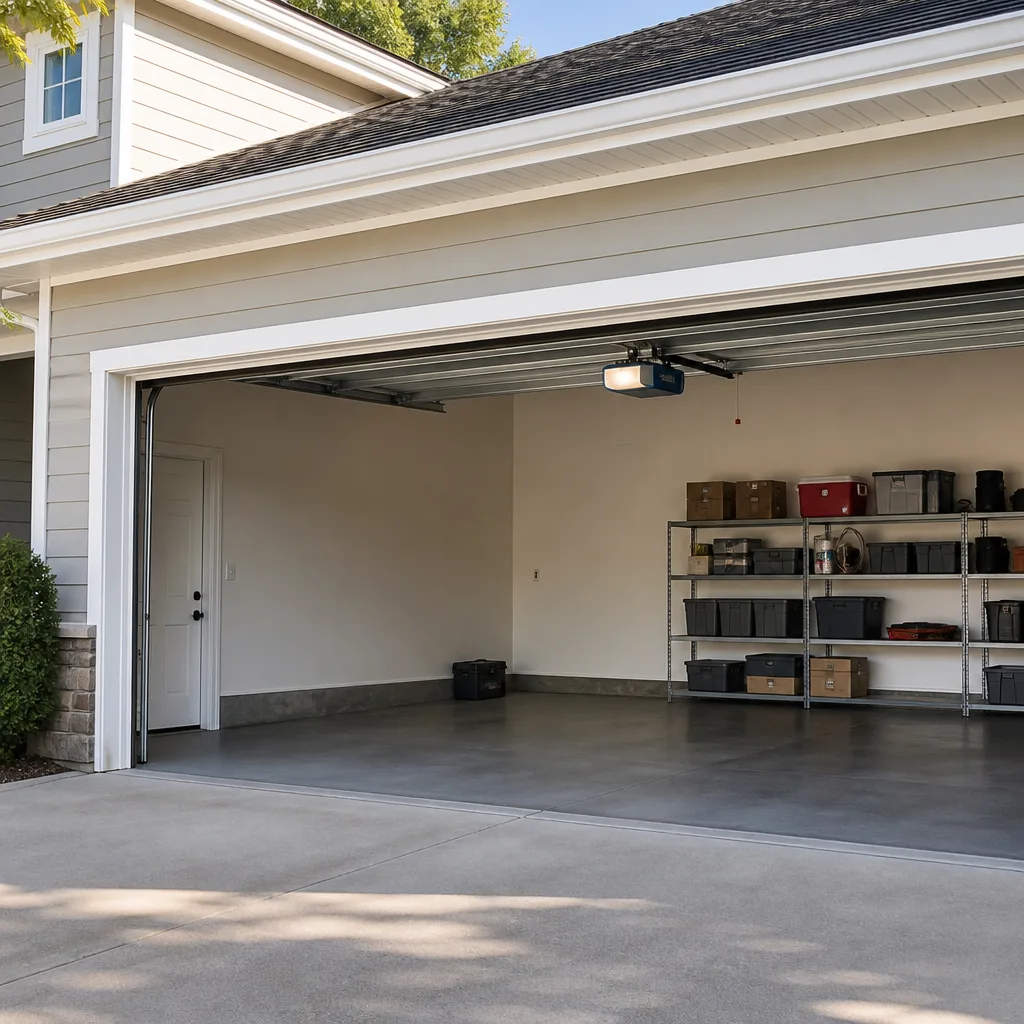 Chamberlain openers
Full 25-point door and opener safety check with every visit - springs, cables, rollers, tracks, and your LiftMaster or Chamberlain opener included
You get a price before we start. It does not change when the truck arrives.
Get your free estimateHow to Hire a Garage Door Contractor in San Marcos: A Step-by-Step Guide
Here’s what surprises most San Marcos homeowners: California has no licensing category that reads “garage door contractor.” The person who answers your call might install garage doors every single day, or they might be a general handyman who picks up a spring job a few times a month between fence repairs and bathroom remodels. Both will tell you they can fix your door. Only one of them should. This guide walks you through exactly how to tell the difference before someone pulls into your driveway, including the five questions that separate a door specialist from a dabbler, how to read a garage door quote line by line, and the red flags specific to this trade that most hiring guides never mention.
By the time you finish reading, you’ll know how to screen contractors the way a property manager does: with specific questions, a clear understanding of what parts cost, and a built-in filter for the vague answers that signal trouble. If you’re staring at a broken spring right now, skip to the five diagnostic questions and start calling.
Quick Answer
To hire a garage door contractor in San Marcos, verify their California contractor license (specifically C-61/D28 for garage door work), ask five brand-specific diagnostic questions that a generalist can’t answer without hesitating, demand line-item pricing before work starts, and check that they carry parts for your specific brand on the truck. A dedicated garage door specialist will answer every question instantly and quote you a firm price before any wrench turns. San Marcos Garage Door Service has been doing exactly this work since 2012, and we’ll walk you through the entire process below.
Styles & brands we work with
Table of Contents
- Why California Licensing Rules Make Garage Door Hiring Tricky
- Specialist vs. Generalist: Why the Difference Shows Up in the First Two Minutes
- Five Diagnostic Questions to Ask Before You Book
- How to Read a Garage Door Quote: Line Items vs. Lump Sums
- Red Flags Specific to Garage Door Contractors
- Dedicated Service Fleet vs. Solo Operator: What It Means for Same-Day Availability
- Common Mistakes to Avoid
- When to Call a Professional
- Frequently Asked Questions
Why California Licensing Rules Make Garage Door Hiring Tricky
In California, the Contractors State License Board (CSLB) issues specialty contractor licenses under classification C-61, and garage door installation falls under the D28 subcategory: “Door and Gate.” That’s the license a legitimate garage door company holds. But here’s where it gets confusing for San Marcos homeowners: a license is only required for projects where labor and materials exceed $500. Below that threshold, anyone with a pickup truck and a socket set can legally work on your garage door.
That $500 line matters more than you’d think. A single spring replacement might come in just under it. An opener replacement might just creep over it. What this means in practice is that a significant portion of the people quoting garage door work in San Marcos carry no specialty license at all, because the jobs they chase fall into that gray zone. They’re not breaking the law by quoting a $350 spring swap. They’re also not required to demonstrate any competency in garage door mechanics before they do it.
When you hire a licensed C-61/D28 contractor, you’re hiring someone who has passed a trade exam specific to doors and gates, carries workers’ compensation insurance for their employees, and maintains a bond that protects you if the work goes sideways. That’s not paperwork theater. Garage door springs hold thousands of pounds of stored energy. A botched spring installation is one of the few home repair scenarios that can genuinely injure someone. The license is your signal that the person touching that spring has been vetted by the state.
Ask for the contractor’s license number, then verify it on the CSLB website. It takes ninety seconds. If the company hesitates, says the license is “in process,” or tells you licensing doesn’t matter for small jobs, you’ve learned something useful about how they’ll handle the rest of the transaction.
Specialist vs. Generalist: Why the Difference Shows Up in the First Two Minutes
Plumbers work on pipes. Electricians work on wire. Garage door technicians work on a machine that combines structural engineering, mechanical spring systems, and digital control boards, all of which changed significantly in the last decade. A general contractor who “also does doors” might know how to hang a standard panel door. But when they encounter a Wayne Dalton TorqueMaster system or a recent model LiftMaster with integrated smart-home protocols, they’re in unfamiliar territory.
We work on garage doors and openers every day. That’s not a slogan. It’s the practical difference between a technician who has seen your exact configuration four times this month and one who’s watching a YouTube tutorial in the cab of their truck before they ring your doorbell. The specialist knows which springs fit a given door weight. The generalist knows which springs look close enough. The difference shows up as adjustment callbacks and doors that creak or sag within six months.
One useful test: ask the contractor which opener brands they service. A generalist will say something like “all brands” or “whatever you have.” A specialist will start naming them: LiftMaster, Chamberlain, Genie, Craftsman. They might volunteer that Chamberlain and LiftMaster share the same parent company and have cross-compatible parts in certain series. That depth of brand knowledge is only available to someone who works with this equipment constantly. It also tells you whether the technician arriving at your San Marcos home already understands the system on your wall before they even look at it.
Garage doors are all we do at San Marcos Garage Door Service home. We service eight major garage door and opener brands including LiftMaster, Chamberlain, Genie, Clopay, Amarr, Wayne Dalton, Craftsman, and Raynor. When a technician shows up for your call, the truck carries parts specific to those systems. When you describe the problem over the phone, the person on the other end knows what you’re talking about. That’s the difference between a trade specialist and someone who does doors on the side.
Five Diagnostic Questions to Ask Before You Book
These five questions are the core of this guide. Ask every contractor you’re considering. A garage door specialist will answer them instantly and with specifics. A generalist will hedge, generalize, or try to change the subject. The answers tell you more than any review ever will.
Question 1: “What’s the cycle rating on the spring you’d install?”
Garage door torsion springs are rated in cycles. One cycle equals one full open-and-close of the door. A standard spring from a big-box store might be rated for 10,000 cycles, which translates to roughly five to seven years of normal residential use in San Marcos. A higher-cycle spring rated for 25,000 or 30,000 cycles lasts considerably longer but costs more. If the person quoting your job can’t tell you the cycle rating of the spring they’re proposing, or doesn’t know what cycle rating means, they are not a garage door specialist. Every legitimate door company stocks a range of cycle ratings and should be able to explain the tradeoff between upfront cost and lifespan. If they recommend the cheapest spring without mentioning cycle life, they’re pricing to win the quote, not to serve the door.
Question 2: “Which torsion spring system does my door use?”
Most residential garage doors in San Marcos use one of two spring configurations: standard torsion (springs wound on a shaft above the door) or a Wayne Dalton TorqueMaster system, which encloses the springs inside a tube. The two systems require different parts and different installation procedures. A specialist can typically identify the system from a photo or from knowing the door brand. A generalist might not know the TorqueMaster system exists. If the contractor you’re vetting can’t name the spring system on your door, or gives an answer like “the regular kind,” move on.
Question 3: “Do you carry parts for my brand on the truck, or do you need to order them?”
This question separates companies that are built for same-day service from companies that are built to collect your deposit and schedule you next week. A dedicated garage door company carries a meaningful parts inventory: springs in multiple sizes and cycle ratings, cables, rollers, hinges, opener gears, sensors, remote controls. When they arrive at your San Marcos home for a repair, the fix typically happens in one visit. A generalist arrives, diagnoses, and then leaves to find parts. You wait days, sometimes longer, and you might end up paying a second trip charge. If the answer to “carry parts on the truck” is anything other than a direct yes for common repairs, ask how many visits they expect the job to take.
Question 4: “What’s your installed price on a LiftMaster 87504?”
The make and model don’t matter; it’s the response that’s revealing. A current specialist keeps pace with opener models and pricing, so they can quote an installed price on a specific model without hemming and hawing. A generalist quotes openers as “basic, mid-grade, and premium” because they don’t track specific models. When someone can’t name a current opener model or give you a specific installed price on one, that’s a sign they may be buying the unit retail and marking it up after the fact, or quoting you a vague number that can drift once they see what’s involved. Specific pricing knowledge is a byproduct of doing this work constantly, and it protects you from the “we’ll figure out the price after we look at it” game.
Question 5: “Will the price you quote be the price on my invoice?”
This question is less about what they say than whether they hesitate. A reputable door company quotes a firm, line-item price before work starts, and that’s the number on your invoice unless you approve a change. A contractor who hedges here, who says the price “depends on what we find,” or who refuses to quote over the phone for standard repairs, is keeping their options open. The price agreed before work begins should be the price you pay. Every reputable garage door company in San Marcos operates this way. If the contractor won’t confirm that in writing or even verbally, that’s a signal. Do not hire based on an estimate that isn’t firm. Get the price, get it in writing, and make it clear that no additional work happens without your approval.
How to Read a Garage Door Quote: Line Items vs. Lump Sums
A useful garage door quote reads like a restaurant check: you can see exactly what you’re paying for. A vague quote reads like a mystery bill: one number, no breakdown, and a lot of room for interpretation. Here’s what each looks like in practice.
A Good Quote: Line-Item Transparency
- Part: torsion spring, 0.250″ x 2″ x 35″, 25,000-cycle – $X
- Part: center bearing plate – $X
- Labor: spring replacement, two springs – $X
- Labor: spring tension calibration and balance check – $X
- Service call / trip charge – $X (often waived with repair)
- Total – the sum of the above
Notice what this quote tells you. The spring’s dimensions and cycle rating are specified, so you understand what you’re paying for. Labor is separated from parts, so you can see the actual cost of each component of the job. Nothing is hidden in a “repair bundle” or an “all-inclusive service package.” If a spring costs $60 at a supplier and the quote shows $180, you can make an informed decision about whether that markup is reasonable given the warranty and labor behind it.
A Vague Quote: Lump-Sum Pricing
Here’s the alternative: “Full garage door service and repair – $485.” That’s the entire quote. What spring is going in? Unknown cycle rating, unknown brand, maybe one spring, maybe two. Is the price mostly parts or mostly labor? Unknown. What happens if the job takes longer than expected? Unknown, unless you ask and get a clear answer. Lump-sum quotes are a common way to hide aggressive parts markup. The contractor might be installing the cheapest spring available while charging you a price that implies a high-cycle, name-brand component. You’d never know because the quote never told you what you were buying.
A legitimate company has no reason to resist itemizing. The numbers are the numbers. If a contractor refuses to break down a quote or gets defensive when you ask what parts are included, treat that resistance as information. In a trade where springs and openers have widely varying price points, transparency is not optional.
Red Flags Specific to Garage Door Contractors
Every trade has its bad actors, but garage door work has a particular set of red flags that don’t show up in plumbing or roofing guides. These are the patterns we’ve seen play out in San Marcos, and they’re specific enough to this trade that you’ll recognize them immediately once you know what to look for.
Red Flag 1: Quoting a Job Sight-Unseen, Then Changing the Price
Legitimate repair work sometimes requires an on-site assessment before an accurate price is possible. But when a contractor quotes you a low price over the phone to win the job, then “discovers” additional problems once they’re in your garage, you’re dealing with a bait-and-switch. The original quote was never real; it was a door-opener. A reputable company will tell you upfront if a diagnosis is required before pricing, and they’ll hold their quoted price unless the scope of work genuinely changes with your approval. In San Marcos, this pattern shows up most often with spring replacements: a cheap quote to get the appointment, then a list of “necessary” add-ons once the old spring is off.
Red Flag 2: Vague Warranty Terms on Springs
Ask specifically: “What’s the warranty on the spring you’re installing, and what does it cover?” A good answer names the duration (in years, not “lifetime of the spring” hedge language) and covers parts and labor for that period. A weak answer says “the spring is under warranty” without specifying what that means in practice. Springs are the highest-wear component on a garage door, and the difference between a 3-year and a 10-year spring matters when you’re still in the house. If the contractor can’t give you a specific, confident warranty answer, the warranty is likely meaningless.
Red Flag 3: “We Stock All Major Brands”
This claim is worth testing, because it’s often false. No company stocks every part for every brand. Not even us, and we stock a deep inventory across LiftMaster, Chamberlain, Genie, Clopay, Amarr, Wayne Dalton, Craftsman, and Raynor. When a contractor claims to carry everything, ask a specific question about a less common part: a Wayne Dalton TorqueMaster spring, a Raynor-specific hinge, a Genie capacitor board. The answers will reveal the truth. A real specialist will tell you what they carry and be honest about what requires ordering. A generalist will keep saying “we carry everything” until you push, at which point the hedging starts. The right part for your system matters more than a vague promise to handle “all brands.”
Red Flag 4: No Physical Address or Service Area
Garage door companies that operate entirely from a cell phone and a website with no physical location are often lead-generation fronts. They sell your appointment to a subcontractor who then shows up under a different name. If the company can’t tell you where they’re based, or the address on their website is a UPS store, treat that as a signal. A real San Marcos garage door company has a physical presence, a service area, and a phone number that rings to an actual dispatcher.
Red Flag 5: Pushing a Full Replacement for a Repairable Problem
Garage doors do eventually wear out. But far too many companies default to “replace the whole door” when the actual problem is a worn roller, a misaligned track, or a seam that’s loosened. Full replacement is a bigger invoice, and for the company, it’s also an easier job with fewer variables. For you, it’s possibly thousands of dollars spent on a problem a $30 roller and an hour of labor would have solved. The honest approach is repair first, replace only when it makes sense. If a contractor jumps to replacement before offering a repair option, get a second opinion.
Dedicated Service Fleet vs. Solo Operator: What It Means for Same-Day Availability
A solo operator with a pickup truck can absolutely be a skilled technician. The trade-off has nothing to do with competence and everything to do with capacity. One technician can be in one place at a time. They carry one set of parts. If they’re under a house in Vista when your spring breaks in San Marcos, you’re waiting. If the part your door needs isn’t on their truck, they’re driving to a supplier while your door sits open.
A dedicated service fleet changes the math. Multiple technicians means the company can dispatch the closest available person to your San Marcos neighborhood. A deeper parts inventory means the truck that arrives is more likely to have the spring, roller, or opener component your door needs. A dispatcher on the phone means you’re not leaving voicemails and hoping for a callback.
The difference shows up most clearly in emergency situations. A broken spring on a Saturday morning with your car trapped inside the garage is not the time to wait for a solo operator who has four jobs ahead of you. It’s also not the time to discover that the person who finally arrives doesn’t carry your spring size. When you’re comparing companies for urgent repair work, ask directly about same-day availability and how many technicians they dispatch. The answer tells you whether “24/7 emergency service” means a real operation or one tired guy hoping he can get to you tomorrow.
From the spring to the smart opener, having the right infrastructure behind the technician changes how fast the problem gets solved. We’ve built Garage Door Repair in San Clemente around same-day service as the standard, not the exception, and the same model serves San Marcos homes.
Common Mistakes to Avoid
- Hiring without checking the CSLB license. California’s $500 threshold means unlicensed operators can legally quote smaller garage door jobs, but that doesn’t mean they should be the ones doing the work. A C-61/D28 license takes minutes to verify online and filters out the least accountable operators in one step.
- Accepting a quote over the phone, then approving changes sight-unseen. A firm quote for described symptoms is reasonable. A quote that grows once a technician is in your garage, without clear explanation and approval, is not. Get the original price in writing and approve any change in writing before the additional work starts.
- Choosing the cheapest spring without asking about cycle rating. A $30 price difference on a spring can mean a 10,000-cycle spring (about five years of daily use in a San Marcos household) versus a 25,000-cycle spring (over a decade). The cheapest quote is often the most expensive choice when you’re replacing the same spring again in five years.
- Replacing the garage door opener when the problem is a sensor. We see this pattern often. An opener that won’t close is frequently a misaligned or blocked safety sensor, a $15 part and ten minutes of work. Some companies will happily sell a $500 opener replacement for that problem. A diagnostic-focused company checks the sensors first.
- Not asking about warranty specifics for both parts and labor. “It’s under warranty” means nothing unless you know what the warranty covers, how long it lasts, and who’s responsible for labor if a part fails. Get the warranty terms in writing before you sign anything.
- Prioritizing appointment speed over diagnostic process. Same-day service is valuable, but not at the cost of skipping diagnosis. A company that rushes through a spring replacement without checking door balance, or replaces an opener without testing the sensors, is creating a callback for themselves or a problem for you. Speed matters, but the right fix the first time matters more.
When to Call a Professional
Garage door work sits in a narrow band of home maintenance where DIY genuinely crosses the line into dangerous territory. A torsion spring under tension stores enough energy to snap a bone or worse if it releases unexpectedly. Attempting to wind or unwind a spring without the correct tools and training is one of the few home repairs we actively tell homeowners not to attempt, ever. High-tension cables and springs should always be left to trained professionals with the right winding bars and experience handling that stored energy. What you can do is observe: if the door is uneven, if one side sags, if the opener runs but the door doesn’t move, if you hear grinding or banging, or if the door refuses to stay open, these are diagnostic signals worth reporting to a professional. The repair itself belongs in trained hands.
For homeowners in San Marcos facing any of these problems, Garage Door Opener Repair in San Clemente has experience with the same issues across openers, springs, and full door systems. We work on your brand, we carry the parts for your system, and we quote a firm price before any work begins. Call (877) 265-5166 for a free estimate.
Frequently Asked Questions
Garage door spring replacement in San Marcos typically costs between $180 and $340 for a standard single-door torsion spring replacement, including parts and labor. The total depends on the spring’s cycle rating (10,000-cycle springs cost less than 25,000-cycle springs), whether you’re replacing one spring or two, and which spring system your door uses. For an exact quote with the specific spring for your door, call (877) 265-5166; estimates are free and the price is firm before work starts.
Verify a contractor’s license through the CSLB website by entering their license number and checking that the classification matches the work. For garage door installation and repair, look for a C-61 specialty license with a D28 (Door and Gate) sub-classification. If the contractor can’t provide a license number, or the number doesn’t match the company name, that’s enough to disqualify them. A legitimate company will volunteer this information without hesitation.
Yes, same-day garage door repair is standard for dedicated San Marcos garage door companies, especially for common problems like broken springs, failed openers, and off-track doors. The key variable is parts availability. Companies with a service fleet and stocked trucks can typically complete repairs in one visit. Solo operators may need to leave and order parts, adding days to the job. Call (877) 265-5166 to check same-day availability.
Repair the opener if the problem is isolated to a specific component: a broken gear, a failed capacitor, misaligned sensors, or a bad remote. In San Marcos, opener repair typically costs $150 to $300 including parts and labor, versus $450 to $850 for a new opener with installation. If the motor itself has failed, the opener is over 12-15 years old, or you want to move from a chain drive to a belt drive for noise reduction, replacement makes more sense.
Most San Marcos garage door contractors work on the major residential brands: LiftMaster, Chamberlain, Genie, Clopay, Amarr, Wayne Dalton, Craftsman, and Raynor. For more guides & resources on maintaining these systems, explore our blog. The important distinction is whether the contractor is factory-familiar with your specific brand or just generally willing to look at it. Ask which brands they service most often, and specifically ask about your door and opener combination. A specialist will answer confidently; a generalist will say something generic.
San Marcos follows California Building Code and the city’s municipal code for residential structures, which include requirements for garage door wind resistance, safety sensors on all automatic openers, and emergency release mechanisms. When you’re installing a new door or opener, the contractor should pull any required permits and ensure the installation meets current code. For repairs on existing doors, code compliance comes into play if the work changes the door’s structural components or the opener’s safety systems.
The Bottom Line
Hiring a garage door contractor in San Marcos comes down to filtering out the generalists before they reach your garage. Verify the license. Ask the five questions about springs, systems, parts, pricing, and firm quotes. Read the quote line by line. Watch for the red flags specific to this trade, from vague warranties to “we stock everything” claims. A specialist who does nothing but garage doors will pass every one of these tests without hesitation, because the answers are part of their daily work. Garage Door Installation in San Clemente follows the same principle for new door projects, and the same standard applies everywhere we work. When you’re ready to get your door inspected, diagnosed, or repaired, call (877) 265-5166. That number connects you to a garage door specialist in San Marcos, not a handyman who happens to answer the phone.
Written by the team at San Marcos Garage Door Service, serving San Marcos since 2012.
See the difference
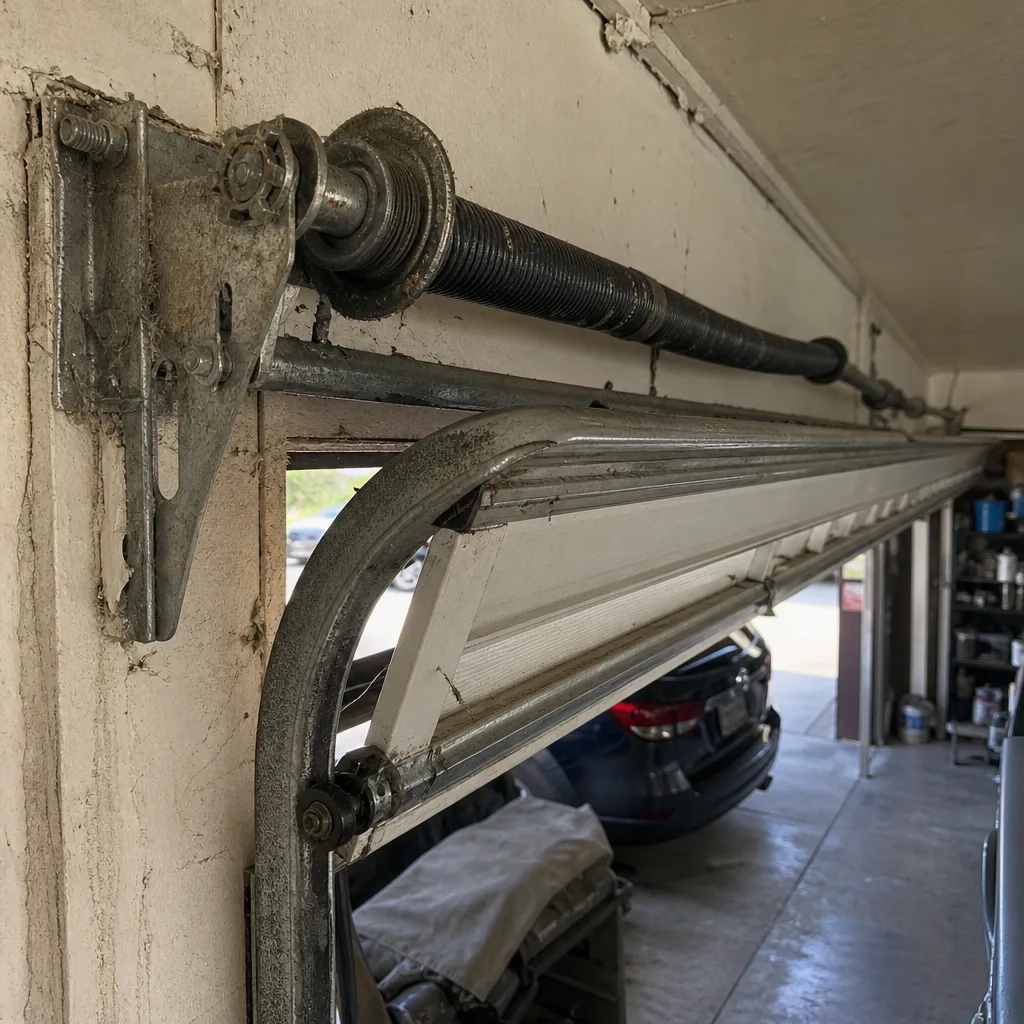
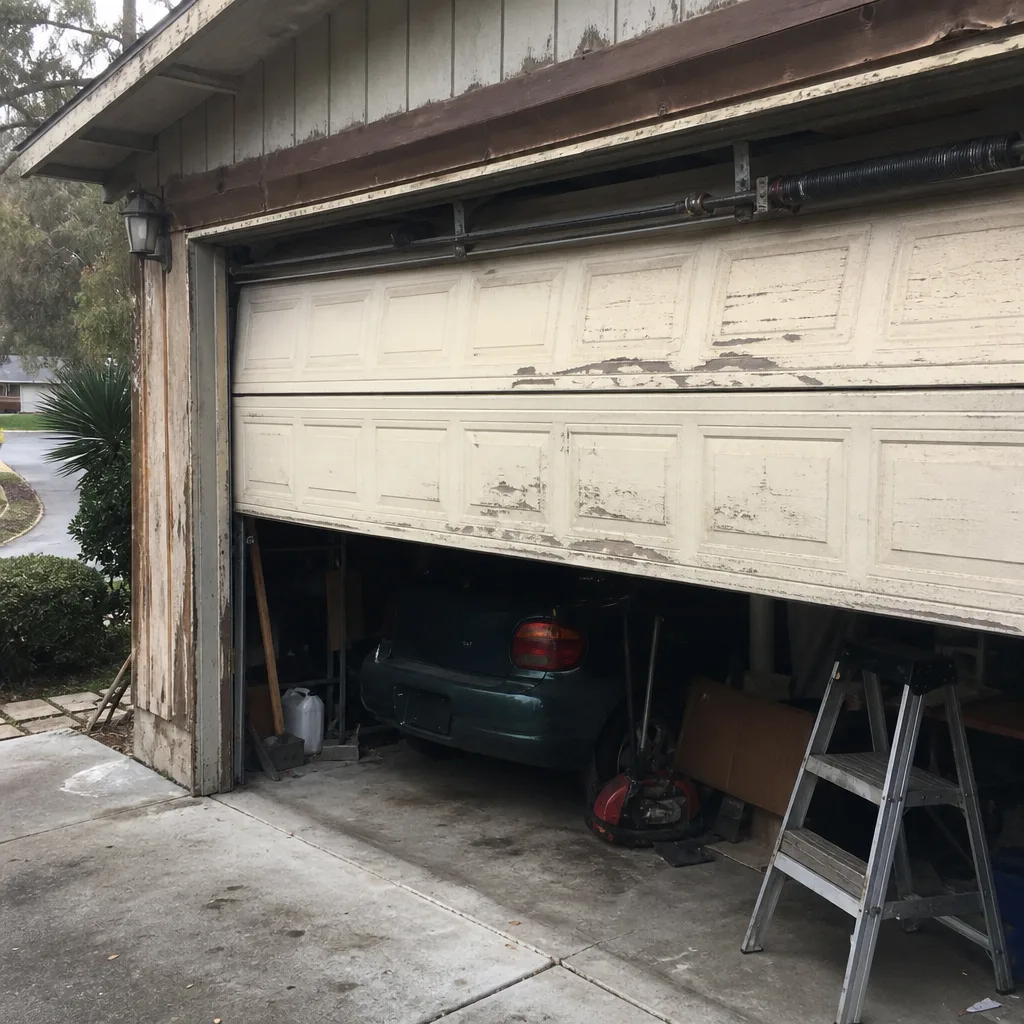
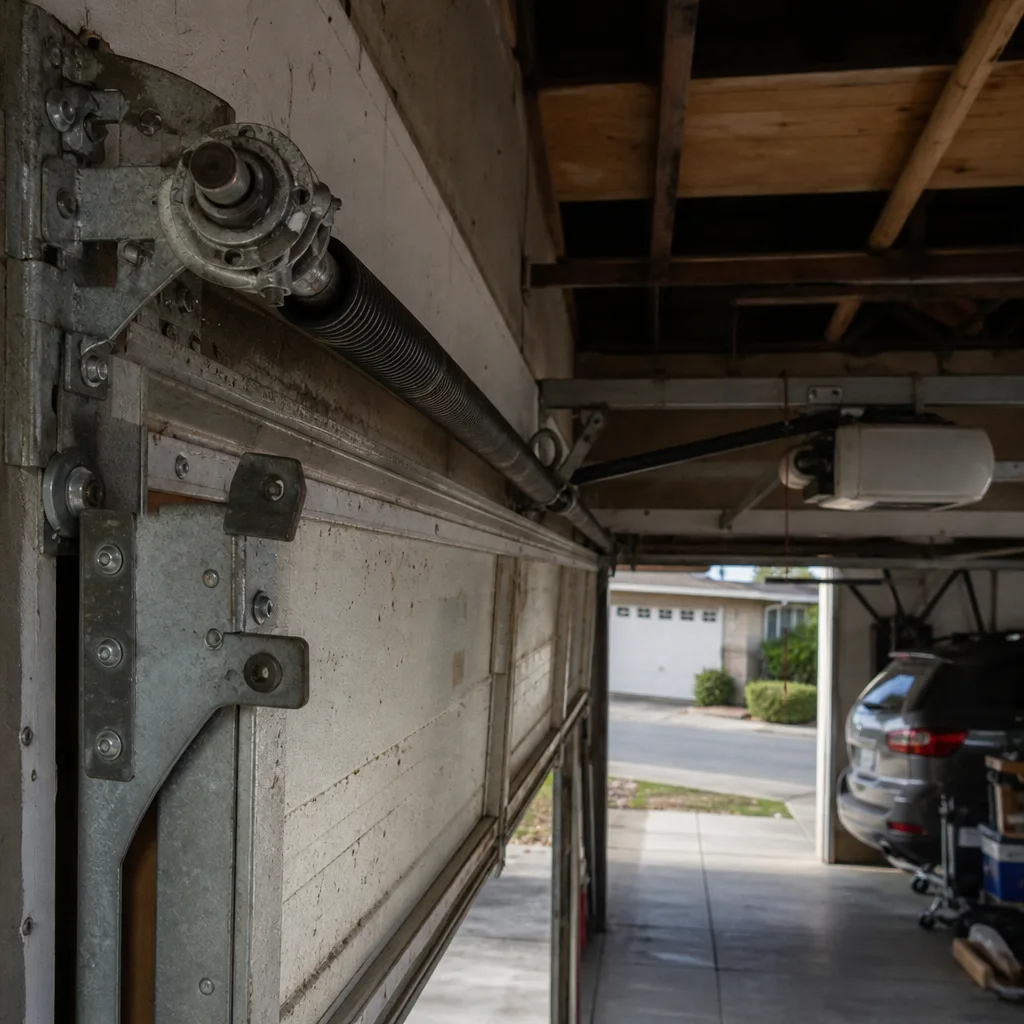 Before
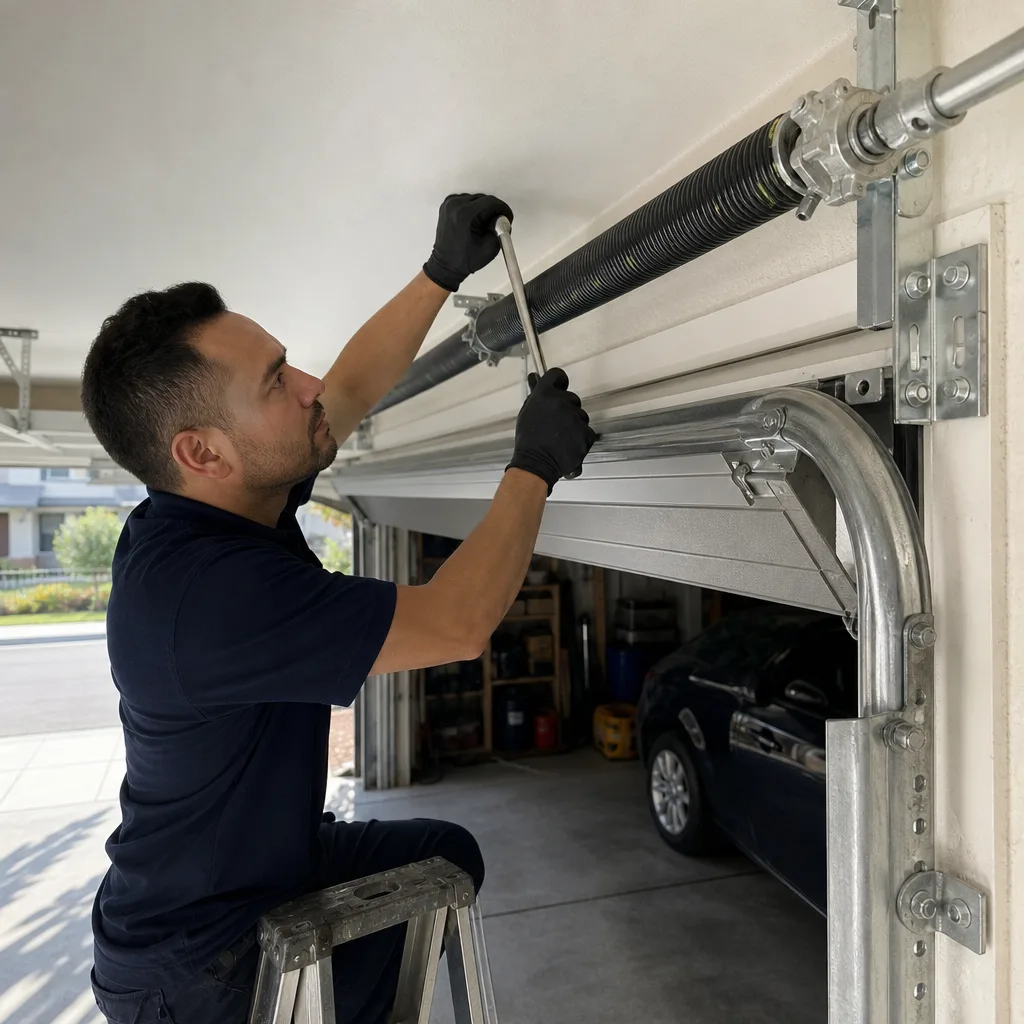
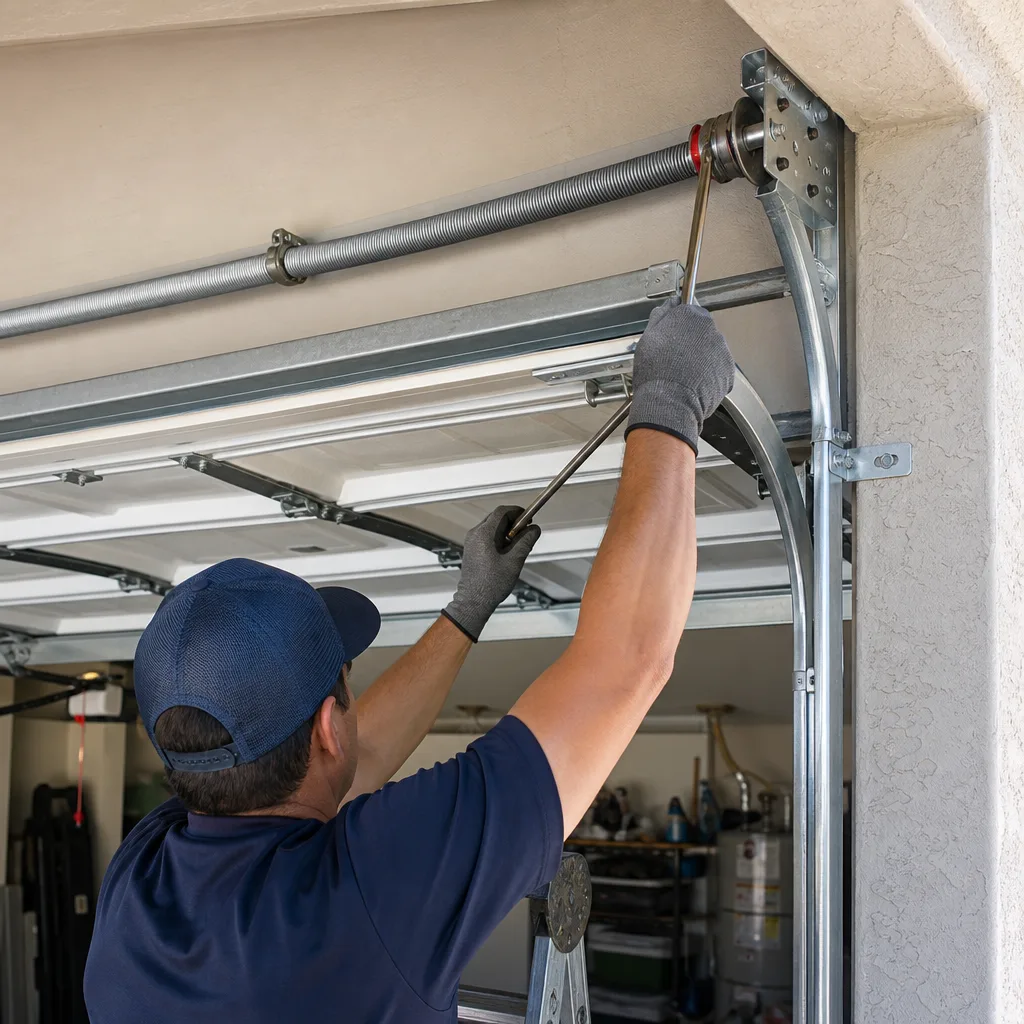
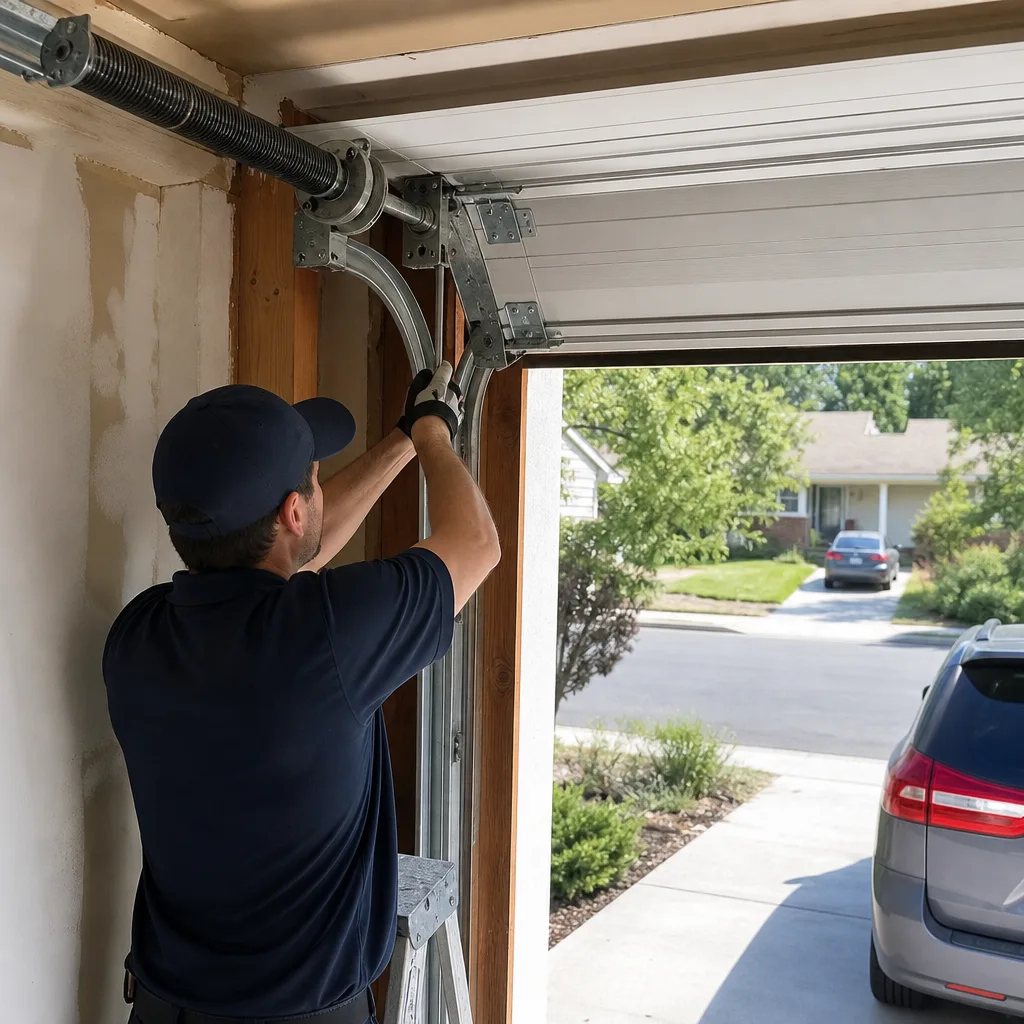 After
 Before
 After
 Before
 After