
Last updated October 31, 2026
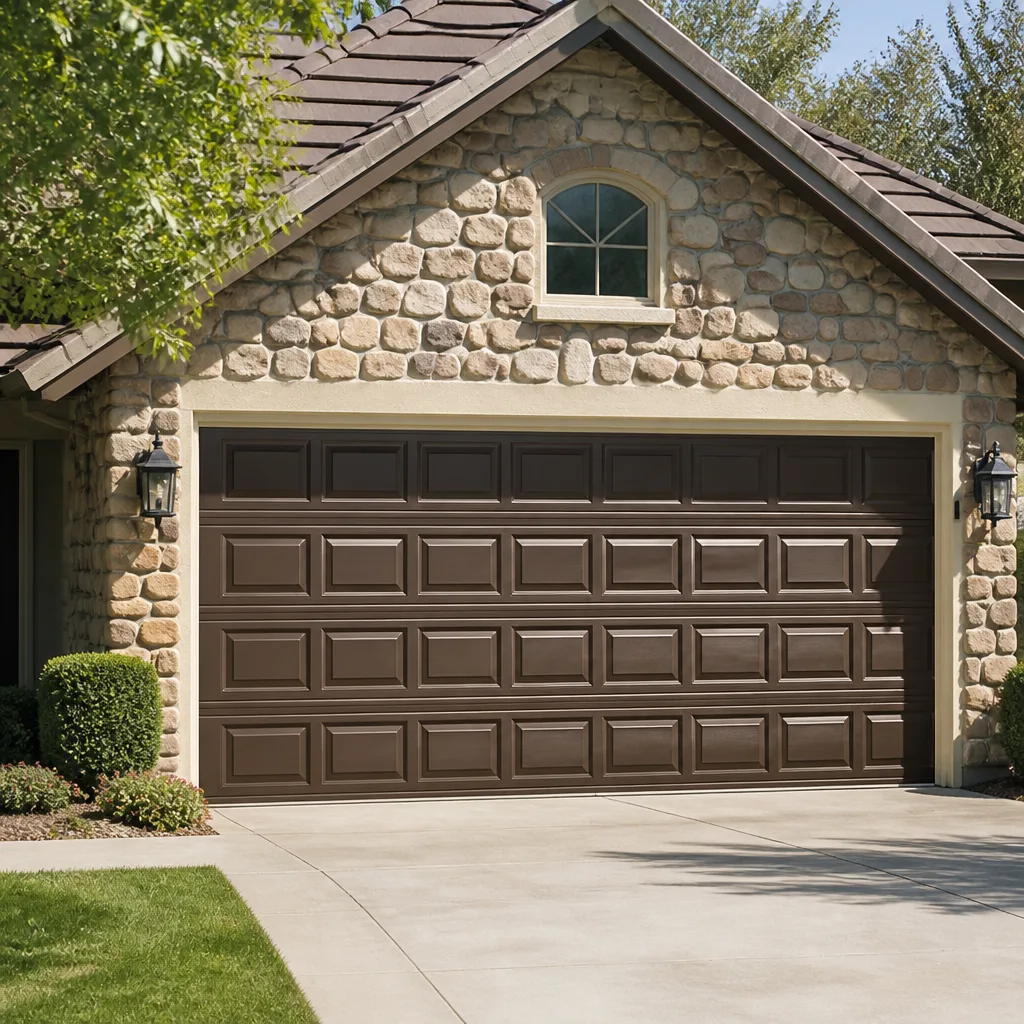 Raised-panel steel
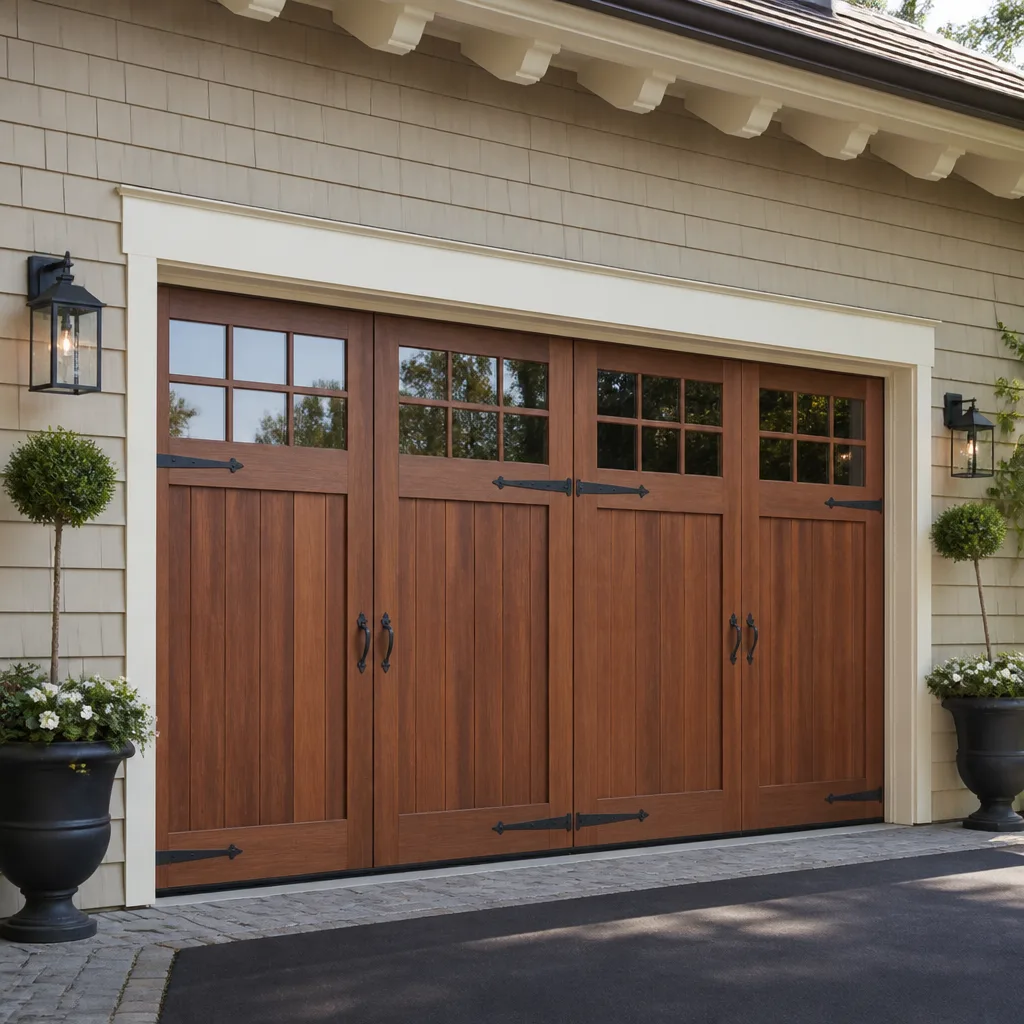 Carriage house
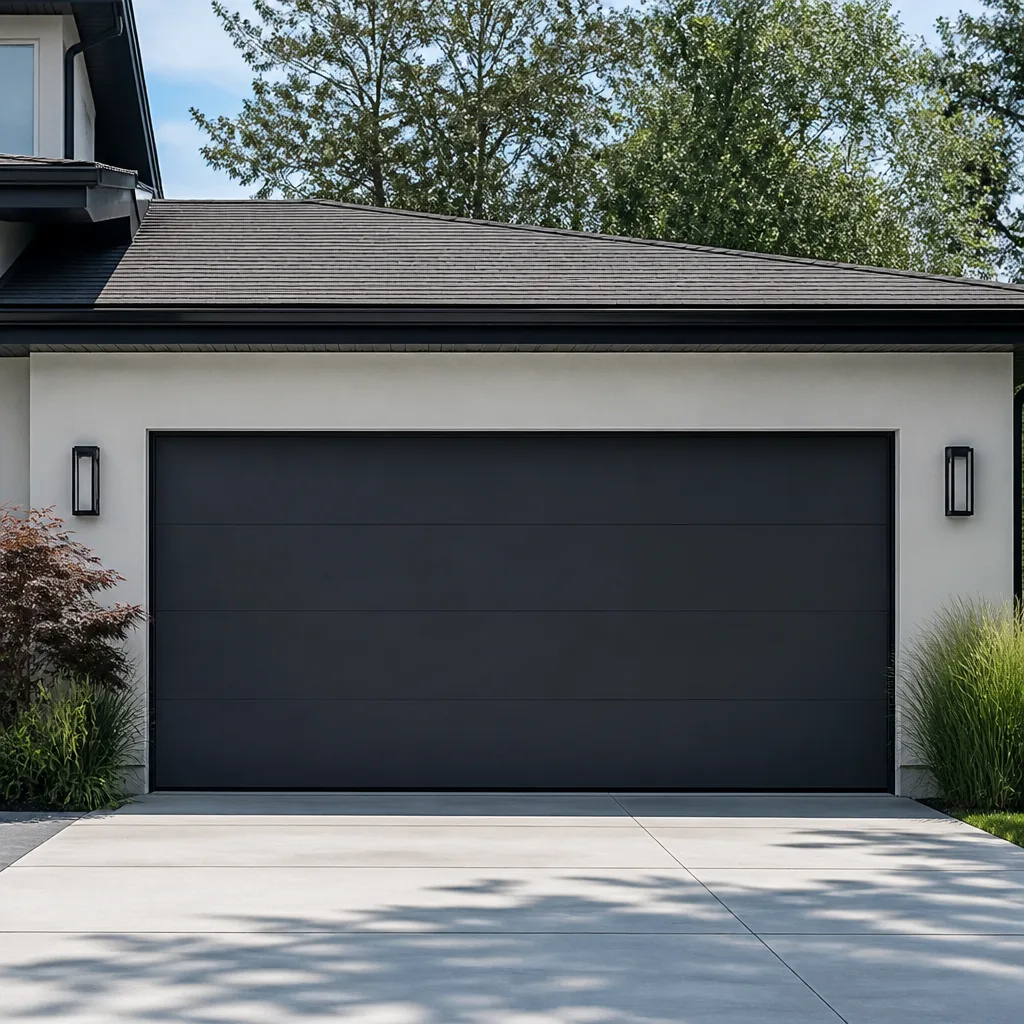 Modern flush
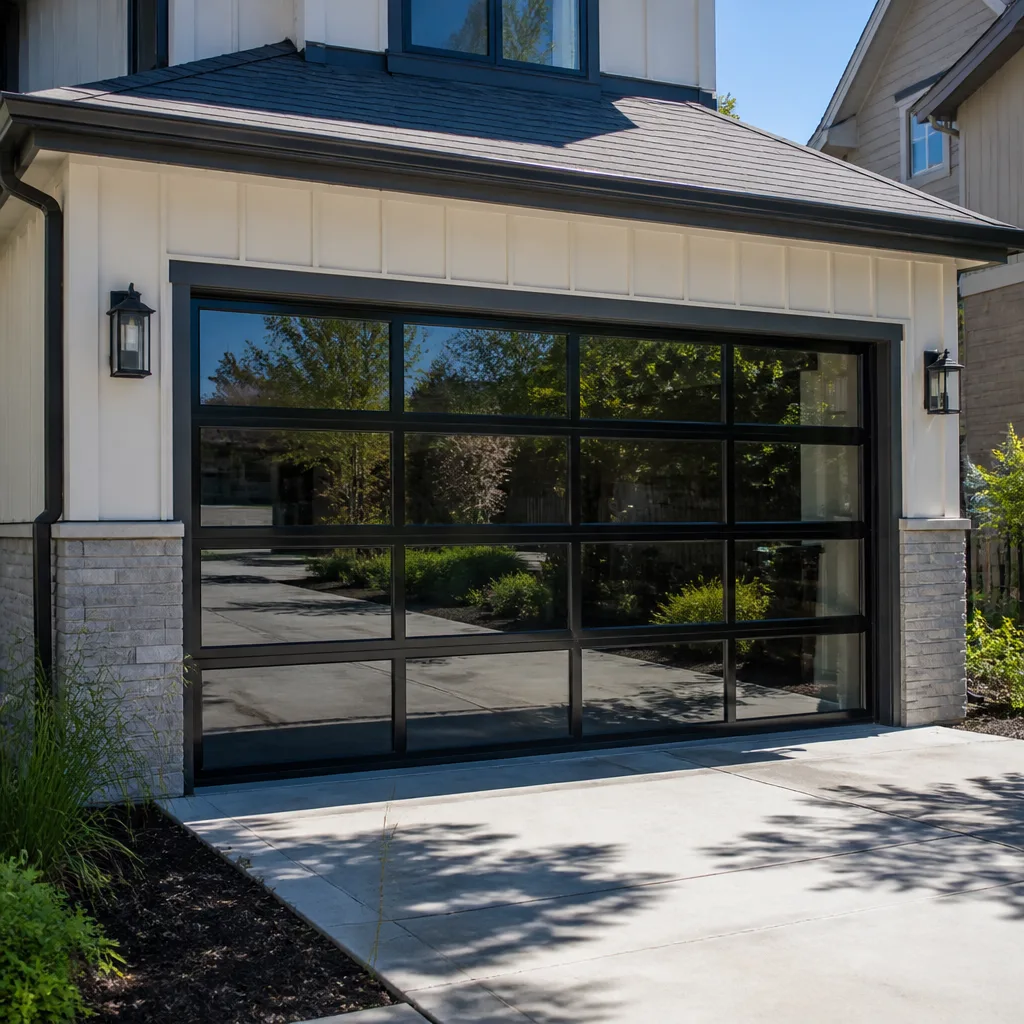 Full-view glass
 LiftMaster openers
 Chamberlain openers
Full 25-point door and opener safety check with every visit - springs, cables, rollers, tracks, and your LiftMaster or Chamberlain opener included
You get a price before we start. It does not change when the truck arrives.
Get your free estimateSeasonal Garage Door Care for San Marcos: Year-Round Homeowner’s Guide
San Marcos homeowners often skip seasonal garage door maintenance because, as the thinking goes, it doesn’t really get cold here. That logic ignores what three months of coastal marine layer does to bare metal torsion springs and what a week of 100-degree Santa Ana winds does to vinyl weatherstripping. Both are preventable with the right timing. This guide walks through what actually happens to a garage door in San Marcos across all four seasons, what to check, what to clean, what to lubricate, and when to call someone who works on garage doors every single day. For more detailed help, see our Complete Guide to Garage Door in San Marcos.
Quick Answer
Seasonal garage door maintenance in San Marcos means timing four specific tasks to the local climate: post-marine-layer corrosion inspection in spring, thermal expansion and UV checks before Santa Ana season, lubrication and opener force adjustments in fall, and a pre-fog-season spring fatigue inspection in winter. Most of this takes under 30 minutes per season and prevents the bulk of repair calls we see in this city.
Styles & brands we work with
Table of Contents
- Spring (March – May): The Marine Layer Corrosion Inspection
- Summer & Santa Ana Season: Heat, UV, and Thermal Expansion
- Fall Preparation: Lubrication Before the Temperature Drop
- Winter & Coastal Fog: The Highest-Risk Season for Springs
- The One Year-Round Task Most Homeowners Never Do
- Common Mistakes to Avoid
- When to Call a Professional
- Frequently Asked Questions
Spring (March – May): The Marine Layer Corrosion Inspection
Spring in San Marcos means the marine layer sits over the coastal band for weeks at a time. Morning temperatures hover in the 50s, humidity stays above 70% for hours, and everything metal on your garage door collects a fine layer of moisture that never quite dries before the next night’s fog rolls in. Bare torsion springs, cable ends, and bottom bracket hardware are the first casualties.
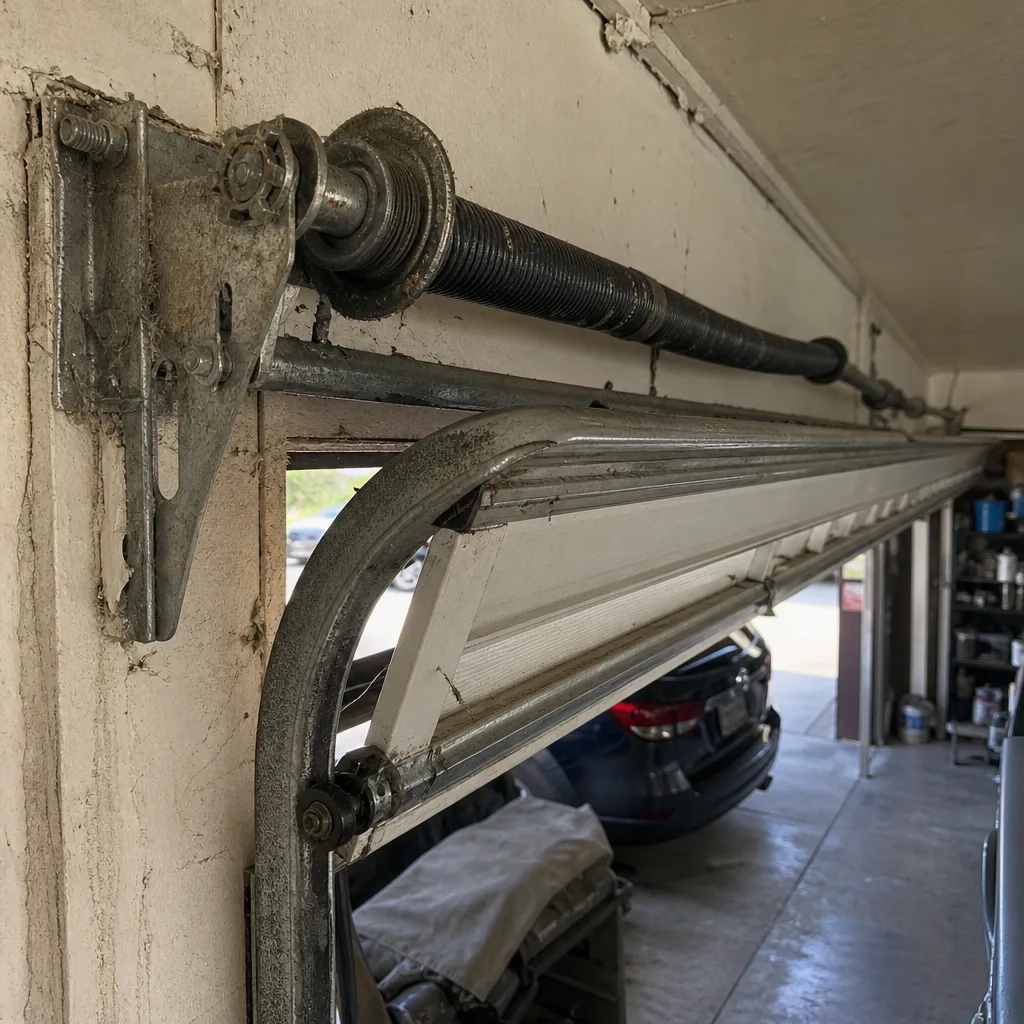
What early salt oxidation looks like is subtle. It’s not flaking rust. It’s a dull gray-brown film on the spring coils, a slight orange tinge where the cable meets the drum, and white powdery deposits on zinc-plated brackets. None of this looks alarming. All of it means the protective coating is failing and the underlying steel is starting to pit. Once a torsion spring develops surface pitting, the microscopic imperfections become stress concentration points. That’s the technical way of saying the spring will eventually snap at one of those pits, usually when the door is under full tension.
Here’s a spring inspection sequence that takes about 15 minutes:
- Close the door and pull the manual release cord so you can inspect the spring while it’s stationary and under minimal load.
- Wipe the torsion spring with a clean, dry rag and look at what comes off. A light gray dust is normal wear. Brown or orange residue means oxidation has started.
- Run a finger along the spring coils (with the door down and the opener disconnected) and feel for rough patches, pits, or uneven texture.
- Inspect the cable ends where they wrap around the drums at each end of the torsion tube. Fraying here is the single most common cause of sudden cable failure in San Marcos.
- Check the bottom brackets that hold the cables to the door panels. These sit closest to the driveway and collect the most moisture, salt, and road spray.
If you find oxidation early, a light coating of a lithium-based garage door grease on the spring coils will slow it down. If you find pitting or frayed cable strands, that’s a replacement situation, not a maintenance one. In our experience with homes throughout San Marcos, springs that show visible pitting in March rarely make it through the following winter without snapping.
This is also the right time to clean out the tracks. Pollen season in San Marcos is aggressive, and the fine yellow dust that coats your car also settles in the vertical tracks and collects on the rollers. A dry microfiber cloth wipes it out in minutes. Do not grease the tracks. Greased tracks collect debris and cause the door to bind.
Summer & Santa Ana Season: Heat, UV, and Thermal Expansion
San Marcos gets a specific kind of summer stress that inland cities don’t. The temperature swings are wider here because of the marine layer’s push-pull against desert heat. A July day can start at 58 degrees under fog and hit 95 by 2 p.m. when the Santa Anas kick in. That’s a 35-degree daily swing, and steel panels expand and contract with every one of those swings.
Thermal expansion in a garage door shows up in two places. First, the horizontal track alignment shifts slightly as mounting brackets expand and contract at different rates than the steel track itself. A door that ran perfectly in April may start to hesitate, scrape, or produce a metallic shriek in August. Second, steel door panels themselves bow microscopically in direct afternoon heat, especially darker colors and doors facing west or southwest. That bowing puts extra load on the hinges and can cause the door to bind against the weatherstripping.
What to check during Santa Ana season:
- Stand inside the garage with the door closed and look for daylight seeping around the perimeter. Gaps that weren’t there in spring mean the panels or track have shifted.
- Run the door and listen for a consistent grind that changes pitch as the door passes the midpoint. That usually indicates track misalignment from thermal cycling.
- Check the vinyl weatherstripping along the bottom of the door and the side jambs. High UV exposure breaks down the plasticizers in vinyl, causing it to crack, shrink, and pull away from the frame.
- Inspect the rubber seal on the top of the door where it meets the header. Santa Ana heat dries this seal faster than any other component on the door.
UV damage in San Marcos is real. Homes on south-facing slopes in the San Elijo Hills area get hammered with afternoon sun, and we regularly see weatherstripping that has gone brittle and cracked within two summers. Once the bottom seal cracks, you’re not just losing climate control in the garage. You’re inviting rodents, insects, and dust from the Santa Ana winds directly into the space.
Replacing a bottom seal is a straightforward job if you have the right brand-specific profile for your door. Manufacturers like Clopay, Amarr, and Wayne Dalton each use different T-channel or U-channel profiles, and a generic big-box seal rarely fits correctly. That’s one area where knowing the actual brand on your door matters. The seal has to match the retainer, or it will pull out within weeks.
Fall Preparation: Lubrication Before the Temperature Drop
Fall in San Marcos is shorter than in most of the country, but it matters. Night temperatures start dropping into the 40s by late October, and grease viscosity changes with temperature. The lubricant that flowed freely through your rollers and hinges in July gets thicker in November. If those pivot points haven’t been lubricated since spring, the door suddenly works harder to move the same weight.
A garage door opener is designed to move a certain amount of mass. When friction increases because lubrication has degraded, the opener’s motor draws more amperage to compensate. That extra load is felt in the drive system, the capacitor, and the logic board. It’s a slow form of wear that doesn’t show up as a dramatic failure. It shows up six months later as a dead opener on a morning when the temperature dropped into the 30s overnight.
Here’s the fall lubrication sequence, in order:
- Lubricate all rollers (every wheel, both sides of the door) with a garage door specific lubricant. Do not use WD-40. It’s a solvent, not a lubricant, and it strips the protective coating off bearings.
- Lubricate every hinge pivot point. A few drops on each pin is enough. Wipe away excess.
- Lubricate the torsion spring with a lithium-based grease. Run a bead along the top of each coil and let it work in as the door cycles.
- Lubricate the bearing plates at each end of the torsion tube.
- Check the opener’s force settings. Most openers have a force adjustment dial or menu setting. The door should reverse with moderate resistance when you grab it mid-travel. If it strains against you, the force setting is too high, which means the opener won’t sense obstacles properly.
Fall is also when holiday usage spikes. Halloween, Thanksgiving, and the December holiday season all mean more open-close cycles per day, often during cold mornings when the door has been sitting in contracted steel overnight. Getting the mechanical components friction-free before that usage spike prevents a breakdown on the one morning the whole family needs to leave at once.
Winter & Coastal Fog: The Highest-Risk Season for Springs
This is the counterintuitive part most San Marcos homeowners don’t see coming. Winter here doesn’t freeze. It doesn’t snow. It doesn’t do anything dramatic. But it’s the highest-risk season for torsion spring failure in this city, and the reason comes down to moisture plus temperature cycling.
Torsion springs are rated for a specific number of cycles, typically 10,000 for a standard spring. Each cycle is one full open and close. A typical San Marcos family cycles their door 3 to 5 times per day. That’s 1,100 to 1,800 cycles per year. A spring that was installed five years ago has already passed half its rated life, and that rating assumes clean, dry conditions.
Winter fog changes that math. The coastal fog that rolls through San Marcos from December through February keeps relative humidity above 80% for days at a time. That moisture promotes micro-corrosion at the spring’s surface, even when the spring was properly lubricated in fall. Every point of corrosion is a potential initiation point for fatigue cracking. When the door is opened and closed repeatedly in these conditions, the spring flexes at those corrosion points hundreds of times per day.
A pre-season spring inspection in December is the single highest-value maintenance task a San Marcos homeowner can do. Here’s what it involves:
- Visually inspect the spring coil by coil with a bright flashlight, looking specifically for small cracks, surface pits, or uneven coil spacing.
- Check whether the door balances properly. Disconnect the opener and lift the door manually to the halfway point. A properly balanced door stays in place. A door that drops or rises is telling you the spring is losing tension or nearing failure.
- Listen for popping sounds when the door moves. That’s usually the spring shifting on the torsion tube, which accelerates wear.
- Look at the gap between coils. A torsion spring that’s about to fail often develops uneven gaps between individual coils in one section, indicating that section of the spring has lost tension.
Spring replacement is not a DIY job. The tension stored in a residential torsion spring can exceed 200 pounds of force, and when that energy releases uncontrolled, it causes severe injury. This is the one component where we tell every homeowner the same thing: if the inspection finds anything questionable, call a professional who does this work daily. The San Marcos Garage Door Service home to call is the one with technicians who can identify a Raynor or Craftsman spring by sight and know the correct wire gauge and coil count for your door weight.
The One Year-Round Task Most Homeowners Never Do
There is one maintenance task that matters in every season and gets skipped by nearly every homeowner in San Marcos: checking and adjusting the opener’s travel limits and force settings. We’re not talking about lubrication or cleaning. We’re talking about the electronic parameters that tell the opener how far to move the door and how much resistance to expect.
Here’s why this matters so much in San Marcos specifically. Temperature swings change the size of the door. A steel door on a cold January morning is physically shorter than the same door on a 100-degree September afternoon. The difference is small, fractions of an inch, but the opener’s travel limit is set in millimeters. When the door’s dimensions change with temperature, the opener may stop the door before it fully closes, or drive it into the ground before reversing, depending on which way the limit was set.
Wrong travel limits cause three problems. First, a door that doesn’t close fully leaves a gap at the bottom, which cancels the weather seal and lets cold air, moisture, and pests into the garage. Second, a door that is driven too far into the closed position stresses the opener’s drive gear, the door panels, and the bottom seal. Third, when the force setting is too high, the opener won’t reverse when it encounters an obstacle, which is a serious safety issue for kids and pets.
Checking travel limits takes about 10 minutes and requires nothing more than the opener’s manual and a willingness to read the adjustment instructions for your specific model. Openers from LiftMaster and Chamberlain use similar menu-based programming. Genie openers have a different interface, and Craftsman models vary by year. The exact procedure is in the manual, and it doesn’t require opening the motor housing or touching any electrical components.
The adjustment itself is a matter of moving the door to the closed position, checking for a proper seal without compression of the bottom weatherstrip, and setting the limit so the door stops right at that point. Then do the same at the open position. It’s a mechanical calibration task, not an electrical repair. Most homeowners can do this safely if they follow the manufacturer’s instructions.
This single adjustment, done every few months in a city with San Marcos’s temperature swings, prevents more opener motor burnout than any other factor. We see openers that died prematurely because they spent months pushing against an improperly set limit, running the motor against its own stop point twice a day, every day.
Common Mistakes to Avoid
These are the specific maintenance mistakes we see most often in San Marcos, and each one costs homeowners money in avoidable repairs.
- Greasing the tracks. Tracks are not supposed to be greased. Grease in the track collects pollen, dust, and salt crystals from the marine layer, creating a gritty paste that wears down the rollers. Clean tracks with a dry rag. Lubricate the rollers, not the surface they ride on.
- Using WD-40 on springs and hinges. WD-40 is a penetrant and water displacer, not a lubricant. It strips existing grease and provides zero long-term lubrication. Use a lithium-based garage door grease on springs and a garage door lubricant on hinges and rollers.
- Ignoring a door that’s slightly louder than it used to be. Noise is diagnostic. A door that develops a new squeak, grind, or rattle is telling you something specific. Small problems become big problems in San Marcos because the constant moisture accelerates wear on anything already compromised.
- Adjusting the spring tension without the right tools and training. Torsion springs under tension are genuinely dangerous. The winding bars alone don’t make it safe. Without knowing the correct number of quarter-turns for the spring’s wire size and the door’s weight, this is a serious injury waiting to happen.
- Replacing only one spring when one snaps. Both springs on a double-spring door have the same cycle count. If one broke, the other is close behind. Replacing both at once costs more upfront but it’s cheaper and safer than two service calls.
- Neglecting weatherstripping because the garage “isn’t heated anyway.” The seal on your garage door isn’t about climate control. It’s about keeping out rodents, dust, and the moisture that corrodes everything else in the garage. A $15 bottom seal prevents hundreds of dollars in other repairs.
- Assuming a new opener fixes a mechanical problem. If the door is binding, unbalanced, or has failing springs, a new opener won’t fix it. The opener’s motor will just work harder until it burns out. This is the single most common misdiagnosis we see from generalist handymen. Our approach is repair first, replace only when it makes sense. We work on your brand, whether it’s a LiftMaster opener on a Clopay door or a Genie opener on an Amarr door, and we diagnose the actual system in front of us before recommending anything.
When to Call a Professional
Some maintenance tasks are homeowner-grade. Others are not. If your spring inspection finds pitting, uneven coil spacing, or visible cracks, stop and call a garage door specialist. If the door drops when you release it at the halfway point, the spring is failing and needs replacement, not adjustment. If the cables are frayed anywhere along their length, they need to be replaced before they snap under load. If the opener’s force setting adjustments don’t produce the expected behavior, the logic board or travel module may need replacement, which is a component-level repair, not a settings adjustment. Garage doors are all we do, and that focus means the diagnostic process is faster and the fix is correct the first time. San Marcos Garage Door Service offers free estimates in San Marcos – call (877) 265-5166.
Frequently Asked Questions
Twice a year is the minimum for San Marcos conditions: once in late March after the heaviest marine layer months and once in late September before night temperatures drop. Doors facing west or within two miles of the coast may need three times per year. Use a garage door specific lubricant on rollers and hinges, and a lithium-based grease on the torsion spring. If you’re unsure which lubricant matches your door’s hardware, call (877) 265-5166 and we’ll tell you exactly what to buy.
Cold steel contracts and grease thickens when temperatures drop into the 30s and 40s overnight. The result is more friction at every pivot point, which translates to audible noise. If the noise is a steady hum with the occasional creak, it’s likely lubrication. If it’s a metallic snap or pop, that’s often the spring shifting, and you should have it inspected before it fails completely.
A failing torsion spring typically shows one or more of these signs: visible surface rust or pitting, uneven gaps between coils in one section, a door that drops when released at the halfway point, or a loud bang from the garage that sounds like a firecracker (which means the spring has already snapped). If you see any of the first three signs, the spring is approaching failure and should be replaced before the bang happens. Call (877) 265-5166 for a free estimate and a spring inspection.
No. Torsion springs store enough energy to cause severe injury or death when improperly handled. The winding procedure requires specific tools – not generic improvised ones – and the correct number of turns depends on the spring’s wire gauge, inner diameter, length, and your door’s exact weight. This is the one repair where the risk of doing it wrong is catastrophic. A professional who works on torsion springs daily can complete the job in under an hour with the correct parts. We work on your brand, including Raynor, Chamberlain, and LiftMaster systems, and we carry the springs that match your door’s specifications.
A basic seasonal inspection and lubrication service in San Marcos typically runs between $75 and $150 depending on the door’s condition and the number of components lubricated. If the inspection identifies worn parts, the cost depends on what needs replacing. Weatherstripping replacement is typically under $100. Cable replacement runs higher. Torsion spring replacement for a double-spring system typically falls in the $200 to $350 range including parts and labor in this region, with both springs replaced together. Every quote is agreed before any work begins. Call (877) 265-5166 for an exact estimate – assessments are free.
Yes, because the most expensive failures in San Marcos are the ones that show no warning signs. A torsion spring doesn’t announce itself before it snaps. Cables fray inside the drum where you can’t see them from the ground. Opener force settings drift gradually until the motor is working twice as hard as it should. A twice-yearly maintenance check catches these issues before they become breakdowns. If you’re also dealing with a door that’s beyond maintenance, we can assist with Garage Door Repair in San Clemente as well, and if the opener is the problem rather than the door itself, our Garage Door Opener Repair in San Clemente service covers electronics and drive systems for every major brand. When replacement is the smarter financial decision, Garage Door Installation in San Clemente covers full-system selection and installation across the full range of brands we carry, including Craftsman, Raynor, and LiftMaster.
The Bottom Line
Seasonal garage door care in San Marcos is not about preparing for extreme weather. It’s about understanding a specific set of local stressors – marine layer moisture, daily temperature swings, Santa Ana heat and UV, and winter fog – and timing simple maintenance tasks to counter each one. A spring corrosion inspection, summer weatherstripping and track checks, fall lubrication and opener calibration, and a winter spring inspection cover the full annual cycle. Most of these tasks take under 30 minutes. The cost of skipping them is a broken spring, a burned-out opener, or a cable failure that leaves your car trapped in the garage on a morning you can’t afford to lose. The annual maintenance path is cheaper, safer, and predictable. That’s the whole point. For more guides & resources, visit our blog.
Written by the team at San Marcos Garage Door Service, serving San Marcos since 2012.
Need a seasonal inspection or repair? Call (877) 265-5166 for a free estimate. The price is quoted and agreed before any work starts.
See the difference
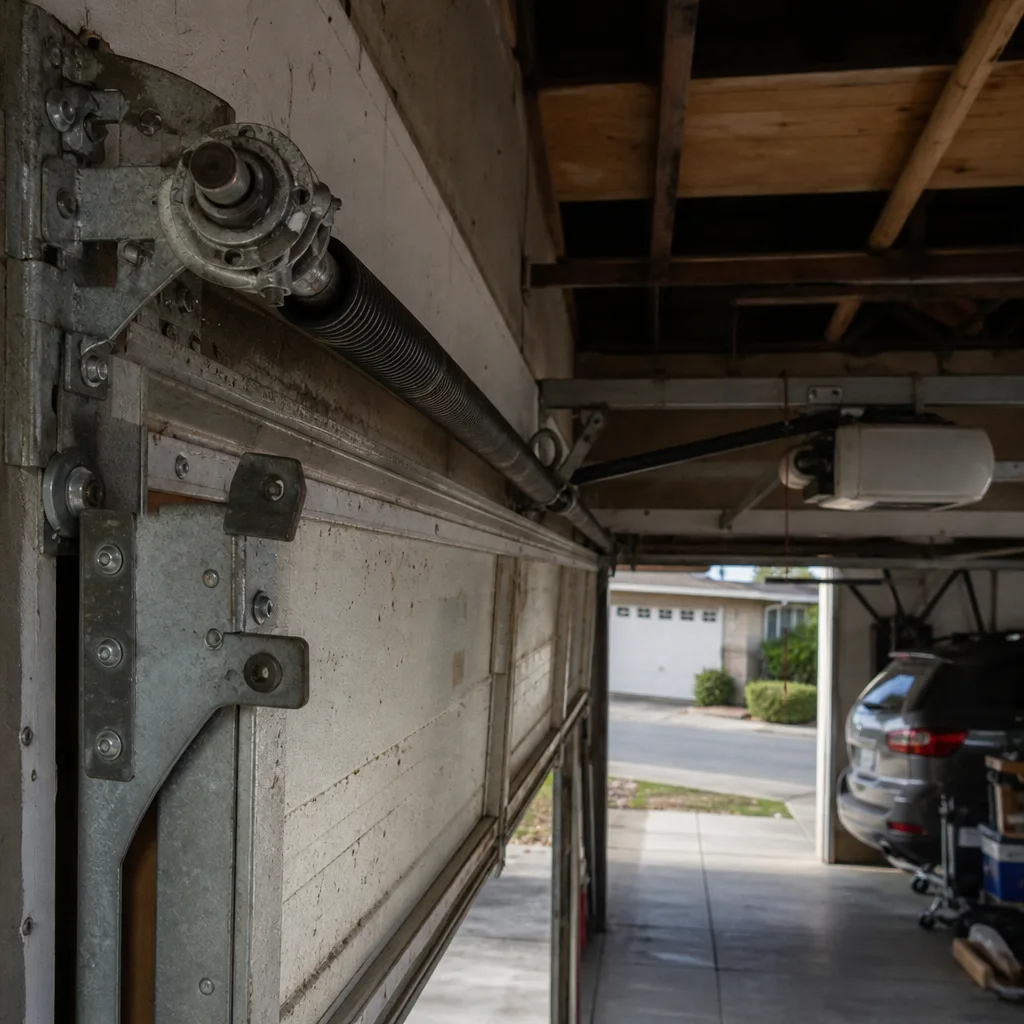 Before
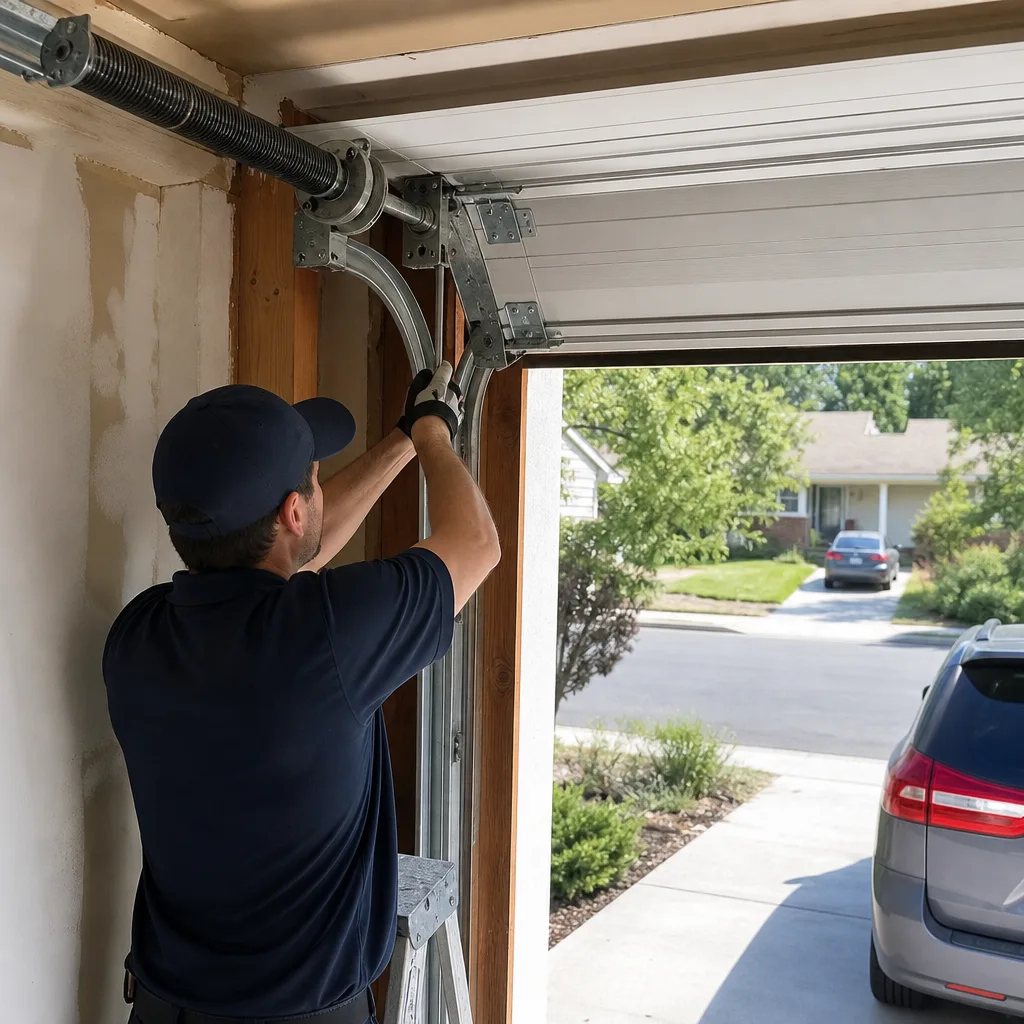 After
 Before
 After
 Before
 After